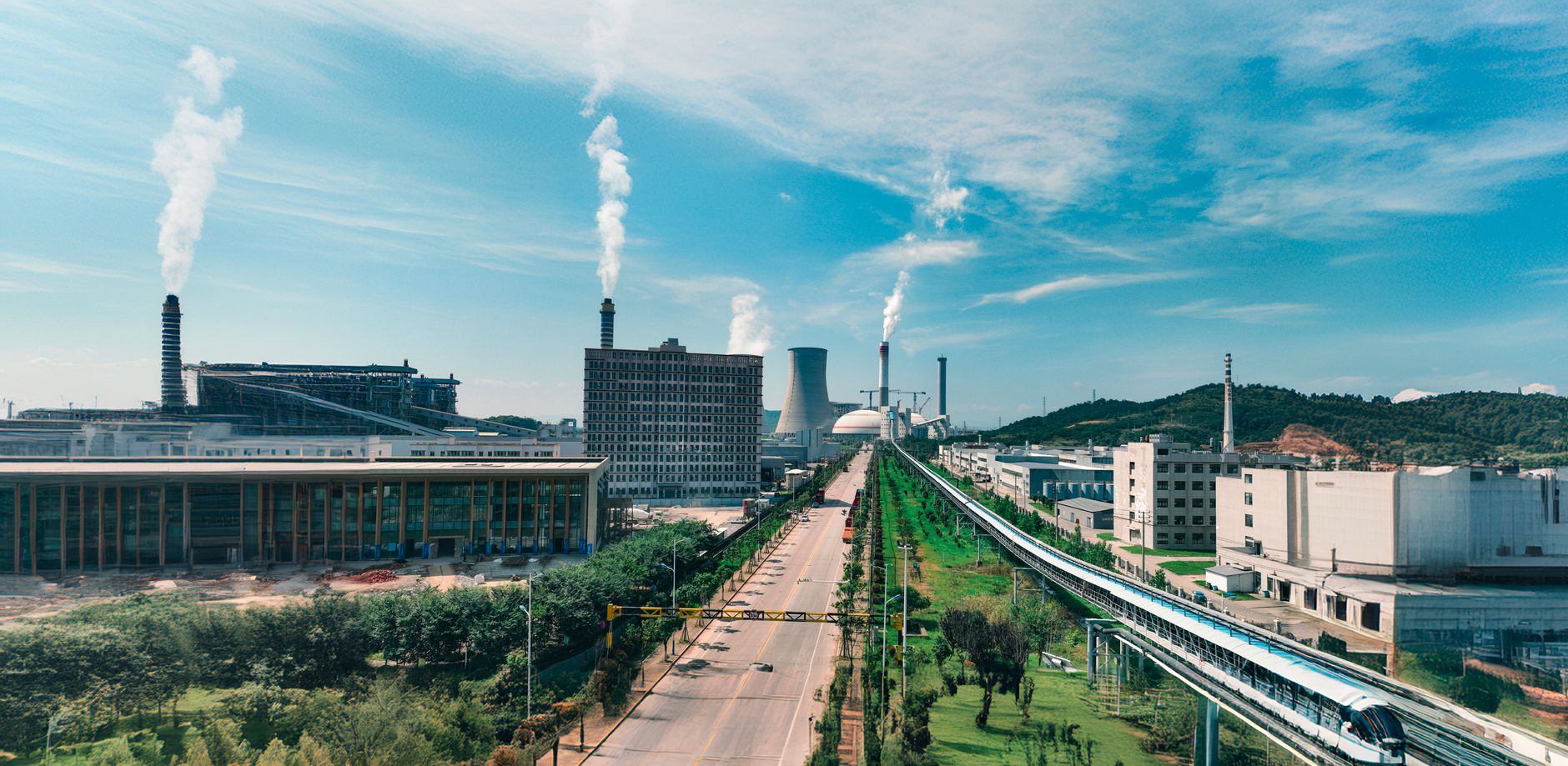
When global executives think about Chinese manufacturing, their minds often jump to the Pearl River Delta in Guangdong. But China operates a second industrial region of comparable scale and arguably greater sophistication: the Yangtze River Delta, anchored by the cities of Nanjing, Wuxi, and dozens of surrounding industrial centers. Together, the Yangtze River Delta Economic Zone generates roughly $3.8 trillion in GDP annually and accounts for approximately 24% of China’s total industrial output. For any foreign buyer, investor, or supply chain strategist, ignoring this region is a serious gap in their China knowledge.
What Is the Yangtze River Delta Region?
The Yangtze River Delta (YRD) spans the provinces of Jiangsu, Zhejiang, and Anhui, plus the municipality of Shanghai. The region encompasses a population of roughly 235 million people and sits at the intersection of China’s most developed consumer market, its deepest talent pool of technical workers, and the world’s busiest container port complex at Shanghai-Ningbo. Within this broader region, Nanjing and Wuxi function as the industrial backbone of Jiangsu Province, which alone produces more than $2 trillion in annual economic output.
The YRD is not a replication of the Pearl River Delta model. The Pearl River Delta built its early dominance on low-cost labor, export processing, and tight logistics corridors to Hong Kong. The Yangtze River Delta developed differently: it built on proximity to Shanghai’s capital markets, a deeper base of state-owned industrial enterprises, and concentrated investment in petrochemicals, semiconductors, biopharmaceuticals, and advanced machinery. Where the Pearl River Delta is China’s factory floor for consumer goods, the Yangtze River Delta is increasingly China’s engineering workshop for high-value industrial and technology products.
Nanjing: Capital City, Petrochemical Giant, and Advanced Industry Hub
Nanjing, Jiangsu’s provincial capital, is home to approximately 9.5 million people and sits at the intersection of road, rail, and waterway networks that make it a logistics node for central and eastern China. The city’s industrial base is anchored by several key sectors that foreign businesses should understand in detail.
Petrochemicals dominate Nanjing’s heavy industry. The Nanjing Chemical Industry Park (NCIP) is one of the largest petrochemical clusters in Asia, hosting BASF, Celanese, BP, and dozens of major Chinese producers including Yangzi Petrochemical, a subsidiary of Sinopec. BASF’s Nanjing joint venture with Sinopec, known as BASF-YPC, had revenues exceeding $4 billion in recent years and produces core chemicals including isononanol, oxo-C4 products, and butanediol used in global manufacturing supply chains. This is not a peripheral facility for BASF; it is one of the company’s three global Verbund sites alongside Ludwigshafen and Antwerp.
Beyond petrochemicals, Nanjing has invested heavily in software services, integrated circuits, and new energy vehicles. The Nanjing Software Valley houses over 2,000 IT enterprises and generates more than $15 billion in annual software and information services revenue. On the automotive side, SAIC-Volkswagen’s Nanjing plant produces Skoda and Volkswagen models for the domestic market, while local EV startups have emerged from the broader Jiangsu ecosystem.
Nanjing’s Strategic Position for Foreign Businesses
Foreign companies entering Nanjing typically cite three advantages. First, Nanjing offers direct access to specialized chemical engineering talent trained at Nanjing University of Chemical Technology and Nanjing Tech University, two of China’s premier institutions for chemical and materials science. Second, the city’s Foreign Investment Zone offers streamlined approval processes and preferential tax treatment for high-tech manufacturers. Third, Nanjing’s position on the Yangtze River allows cost-efficient inland waterway logistics for bulk industrial inputs, reducing dependence on trucking and coastal ports.
Wuxi: Semiconductors, Biotech, and the New Industrial Model
Wuxi, located 128 kilometers west of Shanghai, has quietly become one of China’s most strategically important industrial cities. The city of 7.5 million is best known globally as the headquarters of WuXi AppTec and Wuxi Biologics, two of the world’s largest contract pharmaceutical research and manufacturing organizations. Together, these two companies employ more than 50,000 people worldwide and work with virtually every major Western pharmaceutical company to develop and manufacture drugs. Their combined revenue exceeded $6.5 billion in 2023, a figure that places Wuxi at the center of global biopharmaceutical supply chains regardless of where their Western clients are headquartered.
But the Wuxi story goes beyond pharmaceuticals. SK Hynix, the South Korean semiconductor giant, operates a major DRAM manufacturing facility in Wuxi that accounts for a meaningful share of the company’s global chip production capacity. The plant, which SK Hynix has invested over $10 billion to develop over two decades, produces memory chips used in smartphones, servers, and consumer electronics worldwide. For global technology supply chains, the SK Hynix Wuxi facility is a critical node that few outside the industry fully appreciate.
Wuxi’s semiconductor ecosystem extends to domestic players as well. Hua Hong Semiconductor, China’s second-largest chip foundry after SMIC, operates its most advanced production lines in Wuxi. The Hua Hong Wuxi facility focuses on specialty semiconductors including power devices, compound semiconductors, and automotive chips, areas where Chinese domestic demand is growing rapidly and where foreign automotive and industrial equipment companies increasingly source components.
The Taihu New City Development and Industrial Upgrading
Wuxi has invested more than $30 billion in infrastructure to build Taihu New City, a planned district designed to attract headquarters operations, R&D centers, and high-value service industries alongside manufacturing. The development model follows the logic of Singapore’s Jurong Island model: create premium infrastructure, offer business-friendly regulation, and attract the high-value corporate functions that generate multiplier effects in local service industries. For foreign multinationals considering a Yangtze River Delta regional headquarters, Wuxi has become a credible competitor to Shanghai for companies where proximity to industrial suppliers matters as much as financial services access.
The Broader Yangtze River Delta Industrial Ecosystem
Understanding Nanjing and Wuxi individually understates the power of the Yangtze River Delta as a system. The region operates as an integrated industrial cluster where component manufacturers in one city supply assembly plants in another, R&D centers in Suzhou and Hangzhou develop technology that scales through Nanjing’s petrochemical parks, and logistics infrastructure connects everything through the Yangshan Deep Water Port and the dense Jiangsu highway and rail network.
The Suzhou Industrial Park, widely studied as the blueprint for China’s special economic zones, sits within this ecosystem and hosts more than 5,000 foreign enterprises including Samsung, Bosch, and Siemens. Hangzhou provides the digital commerce and fintech layer that increasingly drives consumer-industrial integration across the region. The result is a regional economy that can design a product, source its materials, manufacture its components, assemble the finished good, finance the transaction, and ship it globally, all within a 200-kilometer radius.
Foreign buyers sourcing from the Pearl River Delta for consumer goods should be asking whether they are adequately aware of what the Yangtze River Delta offers for industrial components, specialty chemicals, pharmaceuticals, and semiconductor-adjacent products. The answer is usually no. The Pearl River Delta’s manufacturing capabilities are well documented in global sourcing networks; the YRD’s equivalent depth is less systematically understood by Western procurement teams.
Key Industries to Know for Sourcing and Investment
For foreign businesses entering or expanding in the Yangtze River Delta, five industry verticals warrant specific attention:
- Specialty chemicals and advanced materials: The Nanjing Chemical Industry Park and adjacent clusters in Zhangjiagang and Changzhou give the YRD the highest concentration of specialty chemical production in Asia outside of the Rhine-Ruhr corridor in Germany. Companies sourcing polyurethane precursors, engineering resins, coatings intermediates, or fine chemicals should be prospecting in this region.
- Semiconductor and electronics components: Wuxi’s Hua Hong Semiconductor, combined with Nanjing’s growing integrated circuit design ecosystem and Shanghai’s broader chip industry, makes the YRD the primary Chinese semiconductor production zone for specialty and analog chips.
- Biopharmaceuticals and CDMO services: WuXi AppTec and Wuxi Biologics are the most prominent names, but the surrounding ecosystem of smaller CDMOs and API manufacturers makes Wuxi the logical entry point for any Western pharma company evaluating Chinese manufacturing partnerships.
- Advanced machinery and robotics: Companies including Estun Automation (Nanjing), one of China’s largest industrial robot manufacturers, are headquartered in the region. Estun’s revenue grew at over 20% annually between 2018 and 2023, reflecting both domestic demand growth and international expansion.
- New energy and automotive: CATL, headquartered in Ningde (Fujian Province), has major YRD-adjacent production operations, and the region hosts a dense network of EV component suppliers feeding both domestic and export assembly lines.
Navigating the YRD: Practical Considerations for Foreign Companies
Entering the Yangtze River Delta as a foreign business requires understanding several practical realities that differ from other Chinese regions.
Labor costs in the YRD are significantly higher than in China’s inland provinces and have risen steadily over the past decade. Wuxi and Nanjing average monthly manufacturing wages of approximately 6,000 to 8,000 RMB, compared to 4,000 to 5,000 RMB in Chongqing or Chengdu. The YRD is not the place to build a cost-arbitrage manufacturing operation; it is the place to access engineering talent, specialized industrial infrastructure, and proximity to deep supply chains. Companies choosing the YRD typically do so for capability access, not cost minimization.
Land and facility costs reflect the region’s prosperity. Industrial park space in Wuxi and Nanjing costs 60 to 80% more per square meter than comparable space in second-tier inland cities. However, the YRD’s superior logistics infrastructure, port access, and talent availability typically justify the premium for companies with technically complex operations.
On the regulatory side, Jiangsu Province has historically been one of China’s more business-friendly provincial administrations for foreign investment. The province ranks consistently in the top three for foreign direct investment attraction and has developed efficient one-stop approval processes for greenfield projects. The China Ministry of Commerce publishes the national foreign investment framework, while Jiangsu’s Department of Commerce operates investor services specifically for the province’s priority industrial zones.
The US side offers complementary resources. The US Commercial Service’s China team operates out of Shanghai and maintains regional coverage of Jiangsu Province, including trade specialist coverage for the chemical, life sciences, and technology sectors that dominate the YRD economy. Companies considering their first YRD engagement would do well to leverage these government resources before engaging private consultants.
The Yangtze River Delta vs. Pearl River Delta: Choosing Your Entry Point
For foreign companies deciding where to establish Chinese operations, the Pearl River Delta versus Yangtze River Delta question is increasingly well defined. If you are sourcing consumer electronics, apparel, household goods, or light manufacturing, the Pearl River Delta’s established supplier networks and logistics infrastructure centered on Guangzhou and Shenzhen offer clear advantages. If you are in specialty chemicals, industrial equipment, advanced materials, pharmaceuticals, automotive, or semiconductor supply chains, the Yangtze River Delta’s deeper technical capabilities make it the superior entry point.
The YRD also offers something the Pearl River Delta historically has not: a clearer path toward R&D collaboration with Chinese institutions. Nanjing and Wuxi sit within commuting distance of some of China’s best technical universities, including Southeast University (Nanjing), Nanjing University, and Jiangnan University (Wuxi). China’s evolving role as a manufacturing innovation leader, rather than simply a low-cost producer, is most visibly demonstrated in the Yangtze River Delta, where the gap between factory floor and research lab has been deliberately compressed.
The Strategic Outlook for 2026 and Beyond
The Chinese central government has designated the Yangtze River Delta as one of its five national strategic economic zones, alongside the Beijing-Tianjin-Hebei region, the Guangdong-Hong Kong-Macao Greater Bay Area, the Chengdu-Chongqing Economic Circle, and the Yellow River Ecological Economic Belt. This designation comes with priority infrastructure funding, preferential treatment for high-tech foreign investment, and coordinated industrial policy that aims to make the YRD China’s primary zone for innovation-driven manufacturing by 2035.
For foreign businesses, this policy commitment signals that the YRD’s infrastructure advantage will deepen over the next decade. The region’s high-speed rail network, which already connects Nanjing to Shanghai in 73 minutes and Wuxi to Shanghai in 22 minutes, is being extended to bring more secondary cities into the same-day business corridor. New industrial parks targeting biomanufacturing, semiconductors, and new energy are being developed at scale in Nanjing, Wuxi, and Changzhou.
Companies that establish a presence in the Yangtze River Delta now are positioning for a region that will almost certainly be larger, more capable, and more globally integrated five years from now. The window for early-mover advantage, particularly in partnerships with local industrial champions and academic institutions, remains open but is narrowing as more sophisticated Western buyers discover what this region offers. The Yangtze River Delta is not China’s second manufacturing powerhouse in the sense of being secondary in importance; for high-value industrial sectors, it may already be first.