
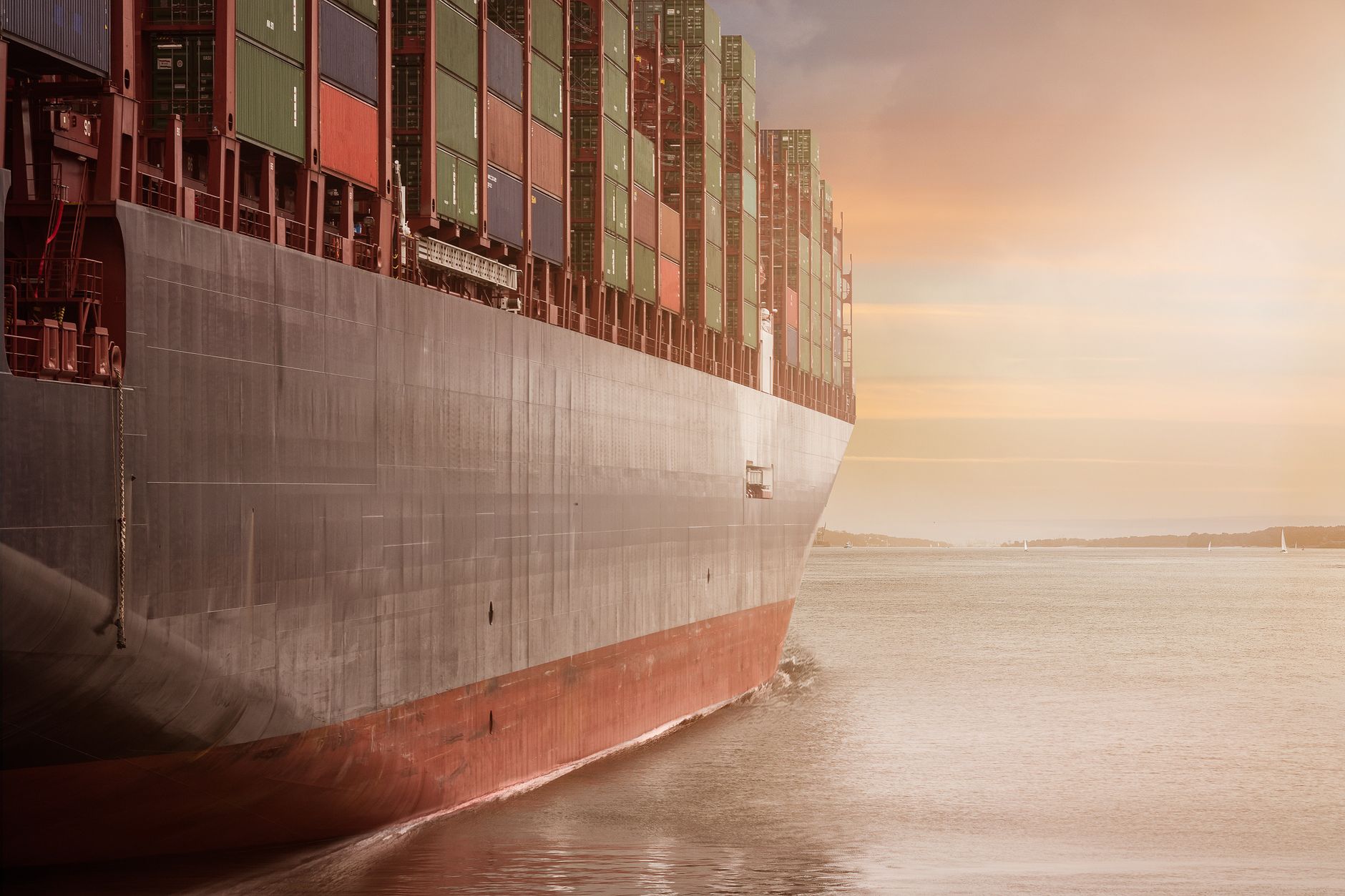
When a container ship departs Shanghai, Rotterdam, Los Angeles, or Piraeus, there is a better-than-even chance that the vessel was built by a Chinese shipyard and operated under the COSCO Shipping banner. China COSCO Shipping Corporation Limited, headquartered in Shanghai, is the world’s largest shipping conglomerate by fleet capacity and one of the most consequential players in global trade infrastructure. Understanding how COSCO works, how it grew, and what it means for businesses on both sides of the Pacific is no longer optional for supply chain professionals.
From State Agency to Global Giant: The COSCO Story
COSCO’s origins trace back to 1961, when the Chinese government established the China Ocean Shipping (Group) Company under the Ministry of Transport. For decades, it operated as a state-directed carrier serving China’s export ambitions but lacking the scale or geographic reach of competitors like Maersk, MSC, or Evergreen.
The pivotal transformation came in 2016, when Beijing engineered a merger between COSCO Group and China Shipping Group, creating China COSCO Shipping Corporation. The combined entity instantly became one of the top three container shipping companies on earth by TEU (twenty-foot equivalent unit) capacity. Then, in 2018, COSCO completed the acquisition of Orient Overseas International Limited (OOIL) — parent of Orient Overseas Container Line (OOCL) — for approximately USD 6.3 billion. This deal brought COSCO’s total fleet capacity above 3 million TEUs and cemented its position as a genuine global heavyweight.
As of 2026, COSCO Shipping operates across container shipping, bulk shipping, tankers, logistics, terminals, and ship finance. Its terminal subsidiary, COSCO Shipping Ports Limited, holds equity stakes in more than 50 terminal projects across 26 countries.
By the Numbers: Scale That Rewrites Trade Routes
- Fleet size: Approximately 500 container vessels with combined capacity exceeding 3.1 million TEUs, ranking third globally behind MSC and Maersk.
- Revenue: COSCO Shipping Holdings reported revenue of approximately RMB 165 billion (roughly USD 23 billion) in fiscal year 2023, down from the pandemic-era peak of RMB 337 billion in 2022 but representing a structural step-change from pre-2020 levels.
- Terminal network: Equity investments in terminals at Piraeus (Greece), Vado (Italy), Zeebrugge (Belgium), Long Beach (United States, through OOCL), and dozens of Asian and African ports.
- Ocean alliance: COSCO is a founding member of the OCEAN Alliance alongside CMA CGM, Evergreen, and OOCL, coordinating vessel sharing across Asia-Europe, Transpacific, and Asia-Mediterranean corridors.
The Piraeus Factor: Infrastructure as Strategy
No single COSCO investment has attracted more Western scrutiny than its stake in the Port of Piraeus in Greece. COSCO began operating Piraeus Container Terminal in 2008 under a 35-year concession. By 2016, it had purchased a majority stake in the Piraeus Port Authority. The results were dramatic: Piraeus rose from a regional backwater handling fewer than 1 million TEUs annually to one of Europe’s top five container ports, processing over 5 million TEUs in recent years.
For shippers, Piraeus became a key transshipment hub for cargo moving from Asia into Central and Eastern Europe — a faster alternative to North European ports for landlocked markets in the Balkans, Hungary, and Austria. This pattern of investing in underperforming port infrastructure and routing Chinese export volume through it is a template replicated under China’s Belt and Road Initiative across dozens of countries. For a deeper look at how BRI port investments create commercial opportunities, see China’s Belt and Road Initiative in 2026: Practical Business Opportunities for Western Companies.
COSCO and the US Market: Scrutiny and Operational Reality
COSCO’s relationship with the United States market is complicated. In September 2019, the US Department of Defense placed COSCO Shipping Tankers (Dalian) Co., Ltd. on its sanctions list for allegedly transporting Iranian oil, temporarily disrupting tanker markets and causing a significant spike in VLCC charter rates. Although those sanctions were later lifted, the episode put the entire COSCO group under intensified regulatory scrutiny.
More structurally, US port security concerns have targeted COSCO’s terminal investments. CFIUS has reviewed COSCO-linked terminal acquisitions, and US legislation has proposed restricting the use of Chinese-manufactured ship-to-shore cranes at American ports. The Port of Long Beach, where OOCL operates a terminal, has been central to these discussions.
For practical purposes, COSCO container services continue to operate across all major US trade lanes. However, compliance teams should maintain current awareness of any entity list changes or port access restrictions. The US Department of Transportation’s Maritime Administration publishes regular maritime security communications that are essential reading for trade professionals: MARAD Maritime Security Communications.
For Western businesses navigating the broader regulatory landscape, understanding how China’s Export Controls affect Western importers provides important context for any trans-Pacific supply chain.
How COSCO’s Business Model Works
Container Shipping (COSCO Shipping Holdings / OOCL)
The Hong Kong-listed entity covering container shipping and terminal operations. OOCL’s booking platform is widely considered among the most user-friendly in the industry. For high-volume shippers qualifying for annual service contracts, COSCO and OOCL offer competitive rate structures on China-US lanes, and their terminal stakes often translate into prioritized berth access and more predictable transit times.
Bulk and Energy
COSCO Shipping Bulk handles dry bulk vessels carrying iron ore, coal, grain, and fertilizers — critical for Australian, Brazilian, and US exporters of raw materials into China. COSCO Shipping Energy Transportation operates the tanker fleet and carries the greatest regulatory exposure in US-China trade.
Logistics
COSCO Shipping Logistics offers integrated supply chain services including customs brokerage, warehousing, cold chain logistics, and multimodal transport. It is increasingly a competitor to third-party freight forwarders, not just a carrier partner — a dynamic that independent 3PLs operating in China-related trade lanes should monitor closely.
The OOCL Acquisition: Brand Preservation as Strategy
The 2018 OOIL acquisition was strategically significant beyond fleet size. OOCL brought a premium service reputation, strong presence in the US import market, and deep relationships with major American retailers. Post-acquisition, COSCO largely preserved OOCL’s brand identity and operational culture — a deliberate choice that reflects a broader lesson from Chinese M&A: acquired brands with positive Western market equity are worth protecting rather than subsuming.
What This Means for Trade Professionals
For importers sourcing from China: COSCO and OOCL offer competitive rates and terminal access advantages on trans-Pacific lanes. Given the supply chain volatility of 2021 to 2023, companies seeking schedule reliability should evaluate COSCO’s network integration as part of their carrier diversification strategy.
For exporters selling into China: COSCO’s domestic logistics network creates a relatively seamless import-to-inland-delivery option through Shanghai, Tianjin, or Guangzhou. For a closer look at northern China’s port infrastructure, see our guide to Doing Business in Tianjin: North China’s Port City and Trade Hub.
For compliance officers: COSCO’s tanker subsidiary and terminal investment history mean the group warrants ongoing sanctions screening. Booking decisions on specific services should factor in the legal entity involved, not simply the COSCO brand name.
The Upstream Connection: Shipbuilding and Industrial Policy
COSCO’s fleet does not exist in isolation from China’s shipbuilding industry. State-backed financing makes it economically rational for COSCO to order from Chinese yards like CSSC (China State Shipbuilding Corporation), maintaining fleet modernity at below-market financing costs. This vertical integration allows COSCO to sustain capacity discipline that Western carriers struggle to match. For the upstream picture, our analysis of China’s Shipbuilding Industry provides essential context.
Official fleet and operational data is published through China’s Ministry of Transport statistics portal: China Ministry of Transport.
The Bottom Line
COSCO Shipping is not simply a carrier to book when rates are competitive. It is a state-backed logistics infrastructure company with strategic terminal investments across the global port network, a growing logistics arm, and deep integration into China’s industrial policy apparatus. For businesses engaged in trans-Pacific trade, understanding COSCO’s network, regulatory exposure, and operational structure is a practical requirement for supply chain resilience planning.
The company’s scale creates genuine operational advantages — competitive rates, broad service coverage, terminal access — alongside compliance considerations that require active monitoring. Organizations that treat COSCO as a commodity freight provider will miss both the leverage it offers and the regulatory nuances that can disrupt a shipment at precisely the wrong moment. In global maritime trade, COSCO is not just a participant. It is one of the architects.