Every electric vehicle sold today — whether a Tesla in California, a BYD in Shenzhen, or a Volkswagen ID.4 in Munich — depends on lithium. And the two companies that have done more than any other to shape the global supply of that critical mineral are Chinese: Ganfeng Lithium and Tianqi Lithium. Together, they rank among the world’s largest lithium producers, control extraction assets spanning three continents, and supply battery-grade materials to virtually every major EV manufacturer on the planet. Understanding how they got there is essential for anyone operating in the global energy transition economy.
The Strategic Importance of Lithium
A single EV battery pack contains 8 to 15 kilograms of lithium carbonate equivalent (LCE), depending on battery chemistry and vehicle size. With global EV sales surpassing 17 million units in 2025 and projected to exceed 30 million by 2030, the International Energy Agency estimates that lithium demand will grow by a factor of six to ten over the next decade.
Roughly 58% of the world’s identified lithium reserves sit in the “Lithium Triangle” — Chile, Argentina, and Bolivia. Australia holds large hard-rock (spodumene) deposits. China holds modest domestic reserves but has positioned itself as the dominant processor and refiner, converting raw lithium ore and brine into the battery-grade lithium hydroxide and lithium carbonate that cell manufacturers actually use. That processing position — not just mining — is where Ganfeng and Tianqi built their power.
Ganfeng Lithium: The Vertically Integrated Global Giant
Founded in 2000 by Li Liangbin in Xinyu, Jiangxi Province, Ganfeng Lithium (赣锋锂业, SHE: 002460 / HKEX: 1772) started as a small lithium compound producer. By 2026, it had become the world’s second-largest lithium producer by output volume and the most globally diversified, with mining assets in Argentina, Mexico, Ireland, Mali, and Australia alongside its Chinese refining operations.
Ganfeng’s strategy has been textbook vertical integration: own the mines, refine the ore, produce the battery materials, manufacture battery cells, and participate in recycling. Key milestones include a 2019 supply agreement with Tesla for lithium hydroxide — cementing Ganfeng’s status as a Tier 1 supplier to Western OEMs — and the 2021 acquisition of a controlling stake in Bacanora Lithium, gaining access to the Sonora project in Mexico, one of the largest undeveloped lithium deposits in the world with a JORC resource of 8.8 million tonnes LCE. In 2020, Ganfeng also secured Argentine brine assets in the Pastos Grandes basin, a project expected to produce 40,000 tonnes of LCE annually at full ramp-up.
By 2025, Ganfeng reported revenues of approximately RMB 25 billion ($3.5 billion USD), though margins compressed sharply as global lithium spot prices collapsed from their 2022 highs above $80,000/tonne LCE to under $12,000/tonne by late 2023 before partially recovering. Li Liangbin has maintained that diversified assets and long-term offtake agreements provide resilience that pure-play miners cannot match.
Customer Base and Western Exposure
Ganfeng’s customer list reads like a who’s who of global battery manufacturing: Tesla, BMW, LG Energy Solution, CATL, Samsung SDI, and Volkswagen Group. Its supply agreements with Western automakers include price floors and volume guarantees that smooth revenue volatility — a bilateral commercial relationship that makes purely adversarial trade policy difficult to execute cleanly.
Tianqi Lithium: From Spodumene Processor to Global Stakeholder
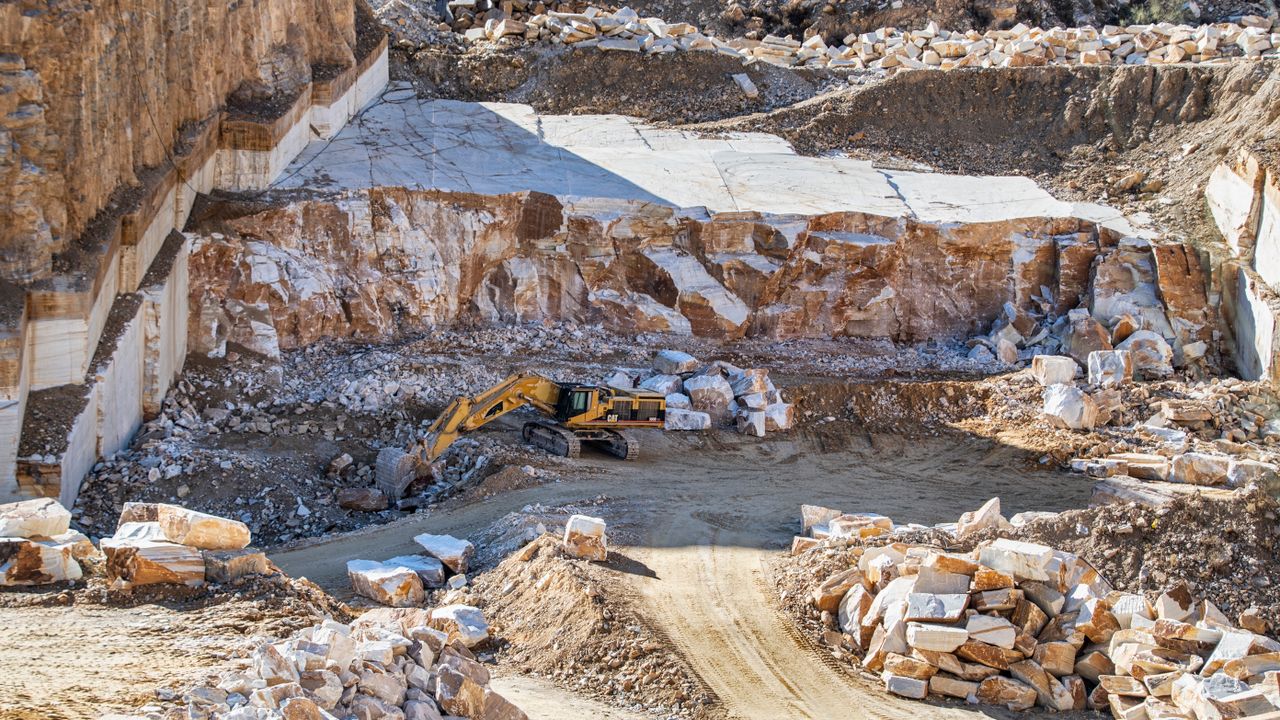
Tianqi Lithium (天齐锂业, SHE: 002466 / HKEX: 9696), based in Chengdu, Sichuan Province, took a different path. Established in 1995, Tianqi’s global ambitions accelerated with a series of audacious acquisitions. In 2014, it acquired a 51% controlling stake in Talison Lithium, the operator of the Greenbushes mine in Western Australia — the world’s single largest and highest-grade hard-rock lithium deposit. Albemarle of the United States holds the remaining 49%, making Greenbushes a genuine Sino-American joint venture at the heart of global lithium supply.
Tianqi’s second defining deal came in 2018: it paid $4.07 billion to acquire a 23.77% stake in Sociedad Quimica y Minera (SQM), Chile’s state-linked mining giant and the world’s largest lithium producer by volume. The acquisition nearly pushed Tianqi into bankruptcy when lithium prices fell in 2019–2020. The company stabilized through a partial equity sale to IGO Limited of Australia, which took a 24.99% stake in Tianqi’s subsidiary TLEA (Tianqi Lithium Energy Australia) for A$1.4 billion in 2021.
By 2025, Tianqi reported revenues of approximately RMB 17 billion ($2.4 billion), with strong profitability during the 2022 price supercycle followed by margin pressure as prices normalized. Its CEO, Jiang Weiping, has emphasized building processing capacity near both mining assets and end customers rather than centralizing all refining in China — a lesson driven by geopolitical realities and customer preferences for supply chain diversification.
The Processing Bottleneck That Defines the Market
China processes approximately 60–65% of the world’s lithium chemicals, according to the China Ministry of Commerce and independent data from Benchmark Mineral Intelligence. Even Australian spodumene — much of it co-owned by Chinese companies — is shipped to China for refining because Chinese facilities have the scale, technical know-how, and energy cost structures that Western processing plants have not yet replicated at comparable cost.
This bottleneck is why Western industrial policy on batteries is so complex. The US Inflation Reduction Act’s battery sourcing requirements and the EU Critical Raw Materials Act both aim to build Western refining capacity. Analysts at Benchmark Mineral Intelligence estimated in early 2026 that Chinese-controlled refining will still account for more than 55% of global lithium chemical output through 2028, even under aggressive Western investment scenarios.
What This Means for US and Western Businesses
Supply Security and Sourcing Strategy
Any battery manufacturer or EV OEM procuring lithium chemicals today is almost certainly touching Ganfeng or Tianqi somewhere in its supply chain — either directly or through cell manufacturers like CATL, LG, or Panasonic. Procurement teams should map Tier 2 and Tier 3 exposure carefully. The US Department of Energy’s Loan Programs Office has committed over $20 billion to domestic battery and critical minerals projects specifically to reduce this concentration risk.
Commercial Partnership Opportunities
Both companies have demonstrated willingness to structure international partnerships and offtake agreements with Western counterparties. Ganfeng’s Bacanora acquisition and Tianqi’s IGO partnership show that commercial collaboration can be structured even in politically sensitive environments. Western mining companies with undeveloped lithium assets in stable jurisdictions — Nevada, Quebec, Portugal — may find Chinese capital and processing expertise a viable development path when domestic financing is insufficient. For context on how these dynamics play out across the broader Chinese lithium supply chain, the strategic picture extends well beyond these two companies.
Regulatory and Investment Screening Risks
Chinese investment in US lithium assets faces significant regulatory scrutiny. CFIUS has blocked or conditioned several attempts by Chinese-linked entities to acquire US critical minerals stakes. Western businesses negotiating with Ganfeng or Tianqi on transactions involving US assets or technology should conduct thorough regulatory due diligence and engage specialist trade counsel early. Understanding China’s broader critical minerals position provides essential context for these regulatory risk assessments.
The 2026 Landscape: Recovery and Strategic Repositioning
As of mid-2026, global lithium prices have partially recovered to the $18,000–$22,000/tonne LCE range as demand from Chinese EV manufacturers and new gigafactories in Europe and North America absorbs the inventory overhang that depressed prices through 2023–2024. Both Ganfeng and Tianqi have used the downturn productively: renegotiating supplier contracts, cutting unit costs, and expanding processing capacity ahead of the demand surge most analysts place in the 2027–2030 window when solid-state batteries begin commercial deployment at scale.
Ganfeng is investing in solid-state battery R&D through its Shanghai research center, having filed over 1,200 battery-related patents by 2025. Tianqi is optimizing its Kwinana lithium hydroxide refinery in Western Australia — designed for 48,000 tonnes per year capacity — and building a second processing hub in Sichuan. Both companies have announced carbon neutrality targets aligned with China’s national 2060 commitments, an increasingly important credential for Western customers subject to scope 3 emissions reporting.
For Western procurement officers, sustainability directors, and supply chain strategists, Ganfeng Lithium and Tianqi Lithium are not abstract geopolitical risks. They are publicly listed, commercially accessible counterparties whose financial health, strategic decisions, and geographic footprints will directly shape the economics of the global energy transition for the next decade. The professionals who understand these companies in depth — their assets, their leadership, their balance sheets, and their government relationships — will have a decisive advantage in navigating the battery supply chain competition ahead. The USTR industrial goods and critical materials policy page tracks current US trade positions on battery materials and supply chain diversification initiatives.