
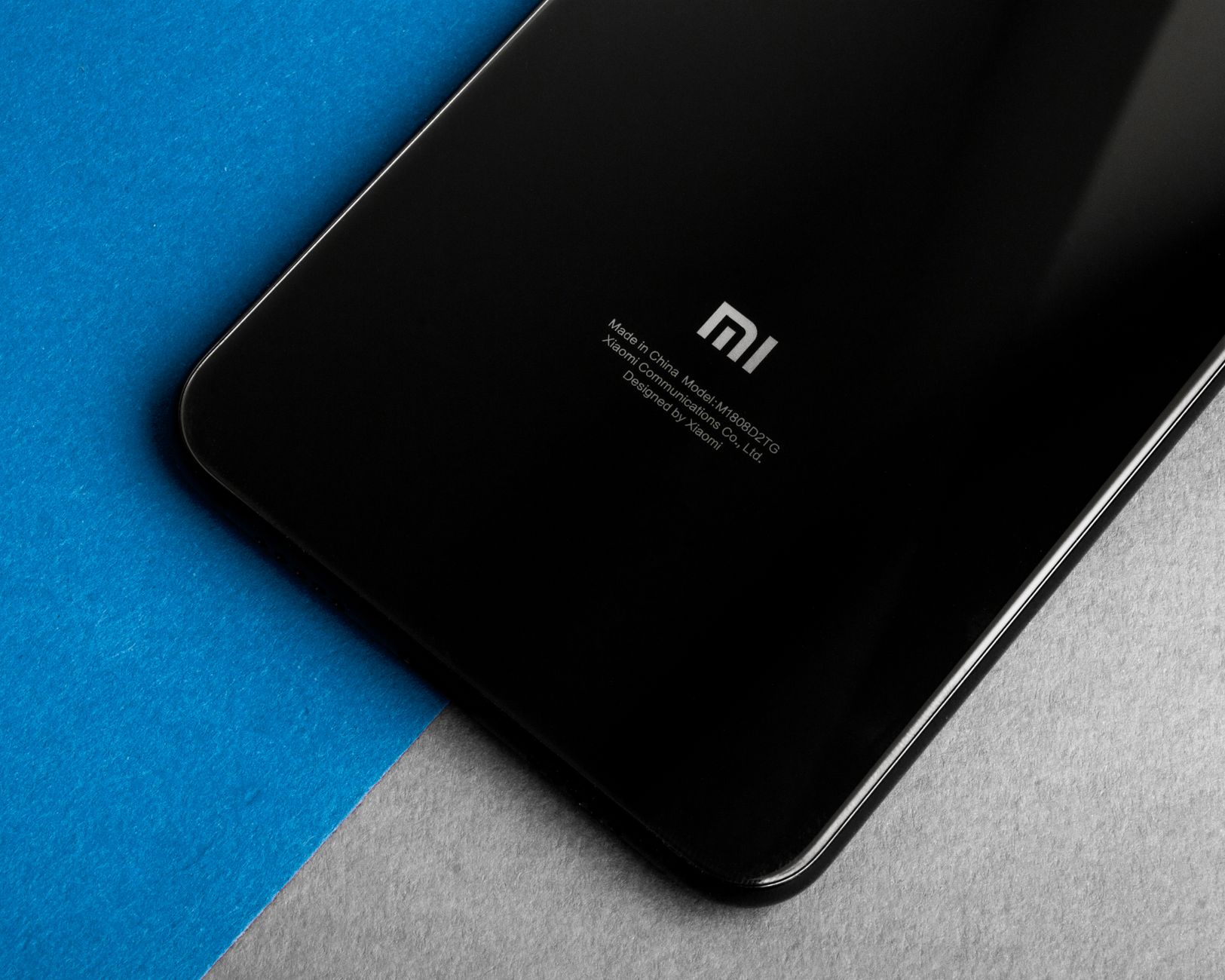
In 2010, a small software company in Beijing released a mobile operating system called MIUI. It had no phones to run on, no retail stores, and almost no brand recognition. Fourteen years later, Xiaomi Corporation (小米科技) reported annual revenue exceeding 271 billion yuan (approximately $37 billion USD) for 2023, shipped over 145 million smartphones, and sold smart appliances in more than 100 countries. The company’s founder, Lei Jun (雷军), is now among China’s most celebrated entrepreneurs, and Xiaomi’s market capitalization has exceeded $50 billion on the Hong Kong Stock Exchange.
What happened between that MIUI launch and today is one of the most instructive stories in modern consumer technology. Xiaomi did not win by building a better phone. It won by building an ecosystem — a tightly integrated network of devices, software, services, and retail infrastructure that made switching to a competitor increasingly costly. That strategy is now studied in business schools and copied by competitors across Asia, Europe, and Latin America.
Starting From Software: The MIUI Advantage
Lei Jun’s founding insight was that Chinese consumers were being underserved by both ends of the smartphone market. Global brands like Samsung and Apple were premium-priced and culturally misaligned. Domestic brands like ZTE and Coolpad were cheap but poorly designed. MIUI — a heavily customized Android skin — offered a third path: deep localization for Chinese users at zero cost, distributed directly via forums and online communities.
That community-first approach was not an accident. Xiaomi seeded its first user base by recruiting 100 MIUI beta testers from tech forums, then grew to 500,000 users before shipping a single hardware device. By the time the Mi 1 smartphone launched in August 2011, priced at 1,999 yuan — roughly half what comparable Android devices cost — Xiaomi had an engaged audience ready to buy. The phone sold 300,000 units in three hours via online flash sale.
The flash-sale model became Xiaomi’s signature. It created artificial scarcity, generated social media buzz, and kept inventory costs near zero. It was operationally brilliant: by selling directly through its own online platform (mi.com), Xiaomi bypassed the distributor markups that inflated rival pricing by 15 to 30 percent.
The Ecosystem Play: From Phones to Everything
By 2014, Xiaomi was the largest smartphone vendor in China by volume. But Lei Jun was already looking beyond phones. His stated ambition: build a connected ecosystem of devices that could run entirely on Xiaomi’s software infrastructure, with every product reinforcing demand for every other product. The strategic logic was borrowed partly from Apple, partly from Tencent, and executed with a capital efficiency that neither company had attempted at this scale.
Xiaomi’s ecosystem strategy has three structural pillars. First, equity investment in hardware startups. Rather than build every product category in-house, Xiaomi invested in and incubated over 300 companies — from air purifiers and electric scooters to rice cookers and baby monitors — under a framework called the Xiaomi Ecosystem (米家生态链). These companies operate independently but agree to use Xiaomi’s design standards, its retail infrastructure, and the Mi Home app as a control layer. Products that meet quality thresholds get sold under the Xiaomi or Mi brand, lending them immediate credibility. By 2023, Xiaomi had more than 2,000 Internet of Things (IoT) products connected to its platform.
Second, a unified software layer. The Mi Home (米家) app connects all ecosystem devices, creating a data and convenience moat. A Xiaomi customer who uses the app to manage their TV, air conditioner, security camera, and smart lamp is accumulating switching friction with every additional device. This is the same logic that made Tencent’s WeChat ecosystem so difficult to displace in communication — and it works at the hardware level too.
Third, an offline retail network. Between 2016 and 2023, Xiaomi opened more than 14,000 Mi Home (小米之家) retail stores globally — a figure that rivals Apple’s store count while operating at a fraction of the per-store investment. These stores serve as showrooms for the entire ecosystem, allowing consumers to interact with dozens of products in a single visit. The stores have also become a model for Chinese retail internationalization, influencing how companies like Haier and others approach physical presence abroad.
Going Global: India, Europe, and the Emerging Markets Playbook
Xiaomi’s international expansion began in earnest in 2014 with a Singapore launch, but India became the defining test. By adapting its hyper-online, price-competitive model to India’s rapidly growing 4G user base, Xiaomi became India’s number one smartphone brand by 2017 — a position it held for five consecutive years. In India, the company replicated its China strategy almost exactly: online-first distribution through Flipkart’s flash sales, deep localization of MIUI for Hindi and regional languages, and an aggressive service network to address the trust deficit that plagued Chinese brands in that market.
Europe required a different approach. Western European consumers are more skeptical of unknown brands, have stronger privacy expectations, and buy heavily through telecom carrier channels. Xiaomi invested in carrier partnerships in Spain, Italy, and France, and launched Redmi as a distinct sub-brand to serve the value segment without cannibalizing the premium Xiaomi line. By 2023, Xiaomi held approximately 13 percent smartphone market share in Western Europe according to Counterpoint Research, placing it consistently in the top three brands in Spain and Italy.
The company’s international revenue now accounts for roughly 45 percent of total sales. That geographic diversification has proven strategically important as Chinese domestic smartphone demand softened following the post-pandemic consumption normalization of 2022 to 2023.
The Electric Vehicle Pivot: Xiaomi’s Biggest Bet
In March 2021, Lei Jun announced that Xiaomi would enter the electric vehicle market with a personal investment of $1.5 billion USD and a ten-year commitment. The announcement was met with skepticism — smartphone makers had attempted automotive pivots before with limited success. But Xiaomi’s EV ambitions reflect the same ecosystem logic that drove its hardware expansion: if your customers live in Xiaomi-connected homes and carry Xiaomi phones, giving them a Xiaomi-connected car deepens the switching cost enormously.
The SU7 sedan, Xiaomi’s debut EV, launched in China in March 2024. It was priced at 215,900 yuan (approximately $30,000 USD), undercutting comparable BYD and Tesla models while offering aggressive specifications — 0-100 km/h in 2.78 seconds in the top variant, a 73.6 kWh battery, and deep integration with Xiaomi’s HyperOS software ecosystem. The vehicle received 88,898 pre-orders on launch day. By mid-2024, Xiaomi had delivered over 27,000 SU7 units and raised its annual production target to 100,000 vehicles. The BYD comparison is instructive — Xiaomi is not attempting to become a mass-market volume manufacturer immediately; it is establishing brand credibility in a premium segment before scaling down.
Brand Architecture: Xiaomi, Redmi, and POCO
One of Xiaomi’s most underappreciated strategic decisions was the development of a tiered brand architecture. The Xiaomi brand anchors the premium and aspirational segment. Redmi targets the mass-market price-sensitive consumer, particularly in emerging markets. POCO, originally spun out of Redmi in 2018, targets performance-focused younger consumers who prioritize specifications over branding — a segment that overlaps with gaming enthusiasts.
This structure allows Xiaomi to compete across nearly the entire smartphone price range without degrading the primary brand. It mirrors the strategy that made Lenovo effective with its ThinkPad, IdeaPad, and Legion sub-brands — and it is a lesson that many Chinese companies expanding globally have been slow to adopt. Brand localization and tiering are among the most common gaps in Chinese companies’ Western market strategies.
What Foreign Businesses Should Understand About Xiaomi’s Model
For Western companies doing business with or competing against Xiaomi, several implications are worth understanding carefully.
The ecosystem is the moat, not the device. Competing against individual Xiaomi products on price or specification is manageable. Competing against the ecosystem — the app, the retail infrastructure, the switching costs accumulated across dozens of connected devices — is genuinely difficult. Companies planning to enter markets where Xiaomi has strong IoT penetration (Southeast Asia, India, Spain) should assess ecosystem lock-in risk, not just device market share.
The investment model is a form of supply chain control. Xiaomi’s equity stakes in ecosystem companies give it preferred access to components and manufacturing capacity. During the global chip shortage of 2021 to 2022, Xiaomi’s ecosystem partners helped buffer supply disruptions that hit competitors harder. Foreign buyers sourcing from suppliers in the Xiaomi ecosystem should understand that Xiaomi’s volume commitments often take priority.
Xiaomi is a serious technology company, not just a hardware assembler. The company filed over 8,000 patents globally in 2023 according to the World Intellectual Property Organization (WIPO). Its HyperOS platform — the successor to MIUI, launched in late 2023 — is a full operating system spanning phones, TVs, cars, and IoT devices. Western partners exploring software integration, chipset licensing, or platform co-development with Xiaomi should approach these conversations as technology partnerships, not contract manufacturing arrangements.
The China National Intellectual Property Administration (CNIPA) database confirms Xiaomi’s accelerating domestic patent activity, with particular concentration in 5G, AI, and IoT — areas that reflect its platform ambitions rather than its hardware origins. According to China’s National Intellectual Property Administration, Xiaomi ranks among the top Chinese technology filers in both utility patents and invention patents.
Regulatory Considerations for Western Markets
Xiaomi has navigated Western regulatory scrutiny more successfully than some Chinese peers, but the terrain remains complex. In January 2021, the U.S. Department of Defense designated Xiaomi a “Communist Chinese Military Company” — a designation that would have barred U.S. investors from holding its stock. Xiaomi successfully challenged the designation in U.S. federal court, winning a preliminary injunction in March 2021, and the designation was formally lifted in May 2021.
The episode illustrated both the regulatory risk that Chinese technology companies face in the United States and the legal recourse available when designations lack substantiated evidence. The U.S. Department of Commerce’s trade enforcement framework continues to evolve, and companies doing business with Xiaomi — whether as distributors, component suppliers, or software partners — should monitor entity list updates and export control developments as a standard part of their compliance practice.
In the European Union, Xiaomi’s data handling practices have been reviewed under GDPR frameworks. The company maintains regional data centers and has worked to align its privacy architecture with EU standards — a necessary investment for any Chinese technology company seeking sustained European market access.
The Road Ahead
Xiaomi’s trajectory over the next five years will be shaped by three variables: the success of the SU7 EV program and its planned successors, the international competitiveness of HyperOS as an IoT platform, and the regulatory environment for Chinese technology in Europe and North America. Lei Jun has publicly stated his ambition to make Xiaomi a top-five global automaker within fifteen years — a claim that would have seemed absurd in 2021 but looks less so after the SU7’s reception.
What is already beyond dispute is Xiaomi’s achievement as a brand-building case study. A company that started as a software project in a Beijing apartment, founded on the principle that great products at honest prices could build genuine loyalty, has compounded that loyalty into one of the most complex consumer technology ecosystems in the world. For businesses navigating the US-China commercial landscape, Xiaomi is not just a supplier, a competitor, or an investment target — it is a model for how platform thinking at scale can redefine what a consumer brand actually means.