
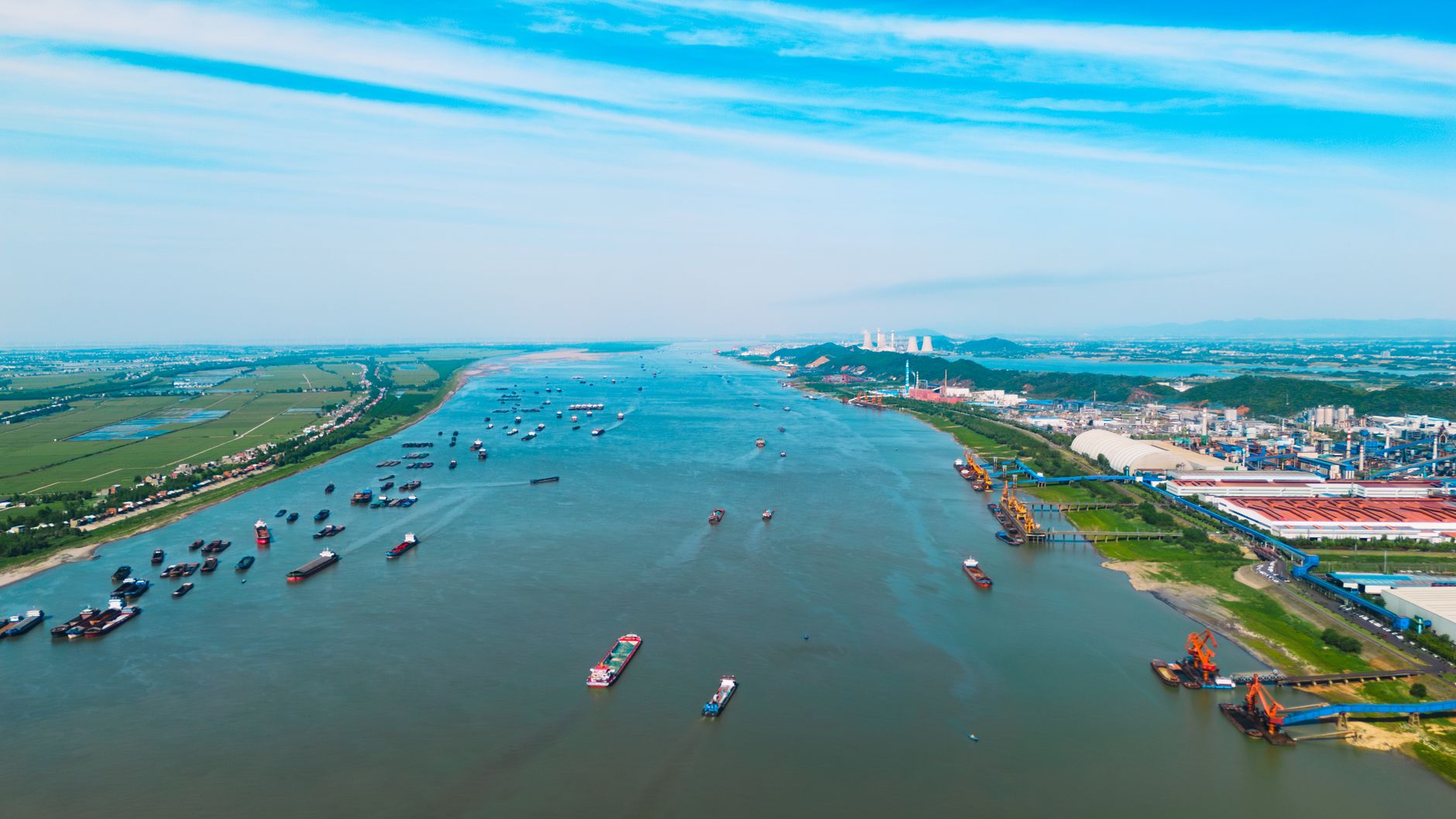
China’s Free Trade Zones (FTZs) have become one of the most powerful entry points for foreign companies looking to do business on the mainland. Since the launch of the Shanghai Pilot Free Trade Zone in 2013, Beijing has expanded the FTZ network to cover 22 zones across the country. Each zone offers a distinct mix of regulatory relaxation, tax incentives, and streamlined procedures that can significantly reduce the friction of setting up or operating a China-based business.
If you are evaluating your China market entry strategy, understanding how FTZs work and which one fits your business model is not optional knowledge. It is foundational.
What Is a Free Trade Zone in China?
A Free Trade Zone is a designated geographic area where the government applies more relaxed rules than in the rest of the country. These relaxed rules typically cover foreign investment restrictions, customs procedures, financial services regulations, and corporate registration requirements. The goal is to attract foreign capital and expertise, test policy reforms before rolling them out nationwide, and integrate specific regions into global trade networks.
The FTZ model is distinct from export processing zones or economic development zones. FTZs are designed to serve as full business ecosystems, not just manufacturing hubs. They allow foreign companies to own majority or full stakes in entities in sectors that are otherwise restricted, and they often provide access to more favorable renminbi convertibility rules.
China’s Ministry of Commerce maintains the official list of approved FTZs and publishes updated negative lists that specify which industries remain restricted or prohibited even within zone boundaries. The current framework is governed under the Ministry of Commerce (MOFCOM) guidelines and the State Council’s administrative regulations.
The Negative List: What It Means for Your Business
The single most important document for any foreign investor considering a Chinese FTZ is the FTZ Negative List. This list specifies every sector where foreign ownership is limited or prohibited inside the FTZ. Everything not on the list is theoretically open to full foreign ownership and operation.
China has progressively shortened the Negative List since 2013. The 2021 version reduced restricted categories to just 27 items, a dramatic decline from earlier iterations. As of 2024, sectors including most manufacturing, logistics, technology services, professional services, and e-commerce remain open for wholly foreign-owned enterprises (WFOEs) inside the FTZs.
Industries still restricted or prohibited include certain media, telecom value-added services, rare earth processing, and parts of the financial sector. If your business touches any of these categories, an FTZ setup will not automatically resolve the restriction, though it may offer pathways for partial ownership through approved joint venture structures. You can review our guide on how to structure a joint venture with a Chinese state-owned enterprise if your sector requires a local partner.
Key FTZs and Their Strengths
Shanghai FTZ (Lingang New Area)
Shanghai remains the flagship zone and the most internationally recognized. The Lingang expansion added significant capacity for advanced manufacturing, integrated circuits, and artificial intelligence. Shanghai’s legal infrastructure and proximity to the Yangtze River Delta industrial base make it the default choice for companies in finance, logistics, and high-tech manufacturing. The zone benefits from direct proximity to Pudong International Airport and the Port of Shanghai, the world’s busiest container port.
Guangdong FTZ (Nansha, Qianhai, Hengqin)
The Guangdong FTZ spreads across three sub-zones, each with a different focus. Qianhai is a financial services hub with deep ties to Hong Kong. Nansha serves as a logistics and manufacturing center. Hengqin is being developed as an integrated platform for Macao and targets tourism, finance, and biotech. For companies looking to link their China operations to Hong Kong or Southeast Asia supply chains, the Guangdong FTZ offers advantages that Shanghai cannot match. Understanding how tiered cities differ for business is useful context here, since sub-zone selection within Guangdong depends significantly on where your key partners and customers are located.
Hainan Free Trade Port
Hainan is the most ambitious FTZ project in Chinese history. The entire island province is being transformed into a free trade port modeled loosely on Singapore and Hong Kong. By 2025, Hainan implemented zero-tariff imports on a broad range of goods, a simplified 15 percent corporate income tax rate, and personal income tax caps for high-skilled talent. The Hainan model goes further than other FTZs in allowing cross-border data flows and testing liberalized financial instruments. Companies in tourism, health care, education, and digital services are particularly well positioned to use Hainan as a base.
Beijing, Tianjin, and Other Northern Zones
Northern China FTZs serve the capital region’s technology and services economy. The Beijing zone focuses on digital economy, AI, and biomedicine. Tianjin’s zone is geared toward advanced manufacturing and shipping logistics. For companies entering China through northern routes or targeting government-linked procurement, these zones are worth evaluating alongside their southern counterparts.
Customs and Logistics Advantages
One of the most practical benefits of operating inside a Chinese FTZ is the customs treatment of goods. FTZs function as bonded areas, meaning imported goods can enter the zone without immediately paying import duties. Duties are only assessed when the goods leave the FTZ and enter the Chinese domestic market. This creates a significant cash flow and working capital advantage for trading companies, distributors, and manufacturers that hold inventory for both domestic sale and re-export.
The bonded warehouse model also allows companies to defer duty payments, conduct value-added processing on imported components, and re-export finished goods without the complications of standard import-export cycles. For cross-border e-commerce specifically, several FTZs have developed dedicated parcel processing facilities that streamline customs clearance under the cross-border payment and trade regulations framework.
The U.S. Customs and Border Protection provides guidance for American companies on how Chinese FTZ goods are treated when they arrive in the United States, which is an important compliance consideration for businesses running a two-way China-U.S. trade flow. You can review the relevant CBP trade compliance resources directly.
Corporate Structure Options Inside an FTZ
The two most common structures for foreign companies inside a Chinese FTZ are the Wholly Foreign-Owned Enterprise (WFOE) and the joint venture. The FTZ environment makes WFOE registration faster and less bureaucratically intensive than in standard mainland zones. Registration can typically be completed in two to four weeks, compared to two to three months outside the FTZ in many cases.
Foreign companies can also register holding companies inside FTZs, which can then own subsidiaries elsewhere on the mainland. This holding structure offers tax efficiency and simplified repatriation of dividends. For businesses considering more complex structures such as variable interest entities, our detailed breakdown of how to set up a VIE structure for China investment provides the full picture on when and why that approach is used.
Tax Incentives and Financial Benefits
Tax benefits vary by FTZ and by industry, but several categories apply broadly. Corporate income tax in designated high-tech and advanced manufacturing sectors within FTZs is often reduced to 15 percent, compared to the standard 25 percent rate. Additional incentives exist for R&D expenditure, equipment imports, and training costs.
Financial liberalization inside FTZs also allows for more flexible cross-border renminbi transactions, multi-currency accounts, and, in some zones, pilot programs for foreign exchange settlement that are not available elsewhere on the mainland. Companies with significant export revenues or that invoice in U.S. dollars can benefit substantially from the reduced currency conversion friction.
Practical Steps to Set Up in a Chinese FTZ
The setup process, while streamlined relative to standard mainland registration, still requires careful planning. Here is a practical sequence to follow:
Step 1: Choose your zone based on industry fit, not geography alone. Shanghai suits finance and logistics. Hainan suits services and health care. Guangdong suits companies with Hong Kong or Southeast Asia connections. Match the zone’s policy environment to your business model.
Step 2: Confirm your sector against the current Negative List. Download the latest version from MOFCOM’s official site before making any commitments. The list updates annually and an assumption based on a version from two years ago could create significant problems.
Step 3: Engage a qualified China legal advisor. While FTZ registration is simpler than standard mainland registration, the documents still need to be prepared in Chinese, notarized appropriately, and filed with the correct zone authority. Errors at this stage can cause weeks of delays.
Step 4: Open a capital account at a licensed FTZ bank. Most major Chinese banks and several international banks operate branches inside the primary FTZs. Your capital account structure will determine how easily you can move money in and out of China.
Step 5: Register for tax and customs with the relevant zone authorities. Do not assume that zone registration automatically covers tax and customs enrollment. These are separate filings and both need to be completed before you begin operating.
Common Mistakes Foreign Companies Make in FTZs
The most frequent mistake is choosing an FTZ based purely on incentive packages rather than operational fit. A manufacturing company that sets up in Hainan because of the low income tax rate may find that the island’s logistics infrastructure does not support its production schedule. The tax saving disappears quickly when factored against higher freight costs and longer supply chain lead times.
A second common error is underestimating the ongoing compliance burden. FTZs reduce the entry friction, but operating inside them still requires routine customs filings, annual inspections, transfer pricing documentation, and compliance with the zone’s specific employment regulations. Companies that treat FTZ registration as a set-and-forget decision often encounter penalties during routine audits.
Finally, many companies fail to build contingency plans around contractual disputes with local suppliers or service providers. Operating inside an FTZ does not give you access to a different legal system. Chinese contract law still applies, and disputes are typically handled through Chinese arbitration or court systems. Review our post on how to handle force majeure clauses in Chinese contracts as a baseline for understanding your contractual exposure.
Is an FTZ Right for Your Business?
Free Trade Zones are not the right answer for every foreign company entering China. If your business requires deep integration with China’s domestic supply chains and consumer market, a standard mainland entity in the right city may serve you better than an FTZ registration. If you are in a restricted sector, an FTZ will not solve the underlying regulatory problem, it will only partially reduce the compliance overhead.
But for companies in logistics, trading, finance, professional services, or technology, the FTZ framework offers a genuinely faster and cheaper path to legal operation in China, combined with meaningful financial and tax advantages. The key is doing the sector analysis before you commit to a zone, not after.
China’s FTZ network continues to expand and evolve. Staying current with MOFCOM publications, U.S. Commercial Service China guidance from the U.S. International Trade Administration, and zone-specific policy bulletins is the minimum due diligence any serious entrant into this market should maintain.