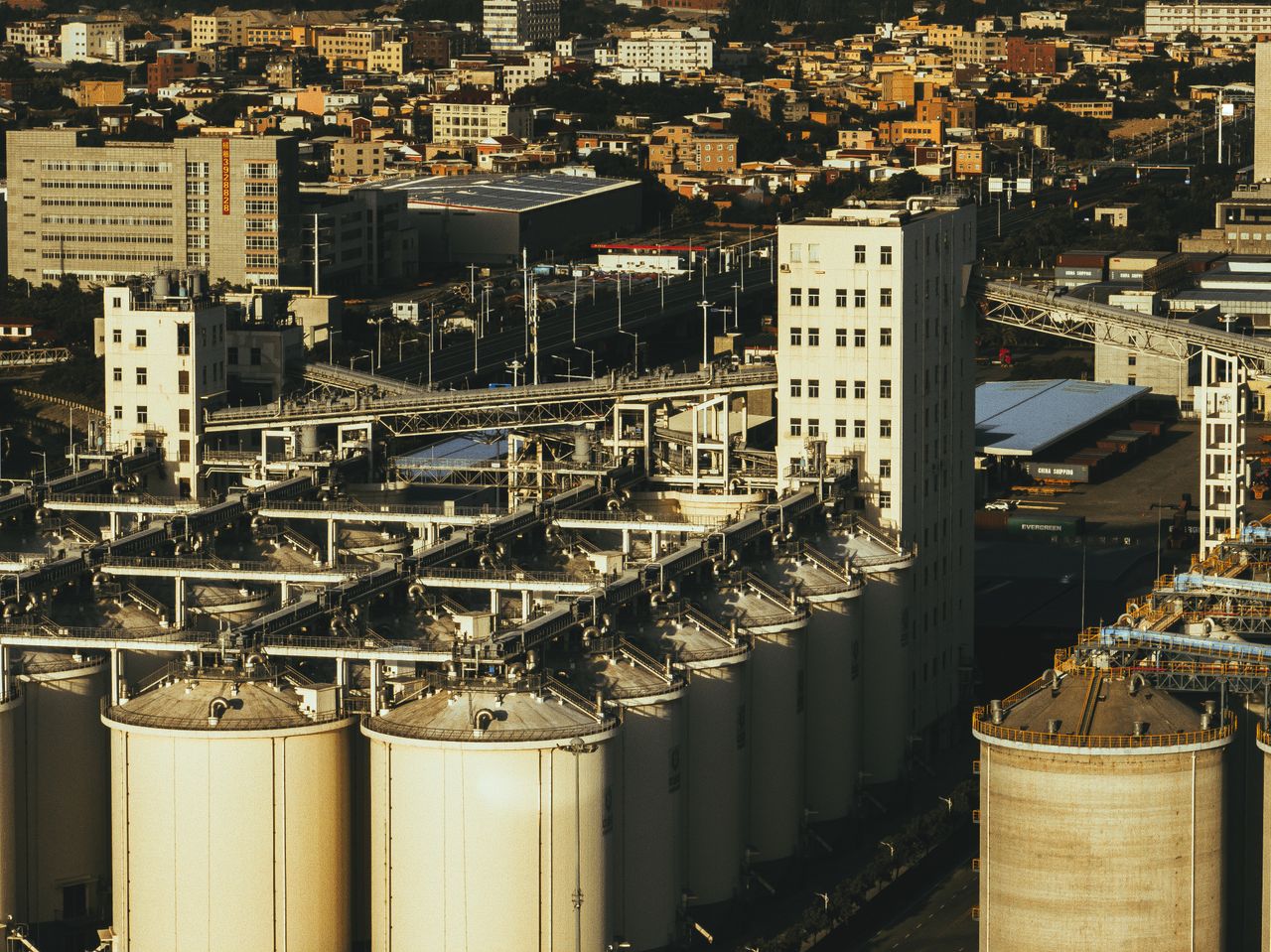
In the 1970s, Wenzhou was an economic backwater — a mountainous coastal city in Zhejiang Province with poor soil, few natural resources, and minimal state investment. By the 1990s, it had become famous across China as a symbol of something radical: private enterprise working at scale. Today, Wenzhou’s nearly 9 million residents generate an economy worth over $80 billion annually, built almost entirely on privately owned businesses manufacturing everything from lighters and eyeglasses to electrical components and shoes. Understanding Wenzhou is not just understanding one city — it is understanding the entrepreneurial DNA that drives much of China’s export economy.
The Wenzhou Model: Private Capitalism Before It Was Official Policy
The “Wenzhou Model” (温州模式) is a term economists coined in the early 1980s to describe an economic development path driven by private capital and market competition rather than state planning. When most Chinese cities were still operating within the planned economy’s rigid confines, Wenzhou entrepreneurs were quietly building family businesses, pooling capital through informal credit cooperatives, and trading through networks that bypassed state channels.
By 1985, Wenzhou had over 130,000 registered individual businesses — more than any comparable Chinese city. The Qiaotou Button Market, established in 1983, grew to supply 60 to 80 percent of China’s button production within a decade. Lighter manufacturing in the town of Longwan eventually produced 70 percent of the world’s lighter output at its peak. This was not state planning. It was a culture that treated business as a survival skill, developed over centuries of living in a region too poor to depend on anything else.
Geographic Isolation as a Competitive Advantage
Wenzhou’s geographic isolation — surrounded by mountains, historically disconnected from major trade routes — forced its population to become traders. Wenzhounese merchants established networks across China and the world centuries before the reform era, creating a diaspora with deep commercial connections in Europe, Southeast Asia, and the Americas.
There are estimated to be over 600,000 ethnic Wenzhounese living outside China, operating businesses in more than 130 countries. In France, they dominate garment wholesale in Paris’s Sentier district. In Italy, they built a manufacturing cluster in Prato that at its peak employed 50,000 workers producing fast-fashion garments. In Spain, Wenzhounese-owned businesses are a visible presence in Madrid’s retail corridors. This diaspora functions as a ready-made global distribution network for Wenzhou-manufactured goods — one of the reasons Wenzhou exporters have consistently outperformed competitors with much larger domestic market positions.
The Industries That Made Wenzhou Famous
Footwear
Wenzhou produces approximately 1 billion pairs of shoes annually, making it the world’s largest footwear production cluster. Over 4,000 shoe manufacturers operate in the city and surrounding counties. Companies like AOKANG Group and Red Dragonfly (红蜻蜓) have built domestic brand equity and operate retail chains across China. AOKANG, founded in 1988 by Wang Zhentao, expanded to over 3,000 retail outlets and partnered with Geox of Italy on a joint venture to distribute Western footwear brands in the Chinese market.
Electrical Components
Wenzhou produces roughly 60 percent of China’s low-voltage electrical apparatus — circuit breakers, switches, relays, and related products. Chint Group and DELIXI Electric, both founded in Wenzhou in the 1980s, grew from small workshops into multi-billion-dollar enterprises. Chint reported revenues exceeding 170 billion yuan (approximately $24 billion) in 2023 and operates manufacturing facilities across Africa, the Middle East, and Southeast Asia. DELIXI runs a joint venture with ABB of Switzerland. Chint has since expanded into solar energy and smart grid infrastructure, moving from exporting hardware to exporting infrastructure systems — a shift that mirrors China’s broader ambition to sell solutions rather than components.
Eyewear
Wenzhou’s Jiangnan Optical Glasses City in Rui’an is the world’s largest eyewear trading market, with over 5,000 vendors operating in a single complex. The surrounding region produces an estimated 400 million pairs of glasses frames annually, supplying global optical retailers and fashion brands. Most global consumers have never heard of Wenzhou — but a significant percentage have worn frames made there.
The 2011 Credit Crisis: A Warning About Informal Finance
Wenzhou’s growth was partly fueled by an informal lending network that operated outside official banking. When property prices collapsed and global demand contracted post-2008, many entrepreneurs who had borrowed through informal channels at high interest rates found themselves unable to service debts. A wave of business failures in 2011 — and a notable increase in business owners disappearing to flee creditors — generated national headlines. Premier Wen Jiabao visited in October 2011, and the State Council subsequently approved Wenzhou as a pilot zone for financial reform.
The State Council’s Wenzhou Financial Reform Pilot Zone approval in April 2012 was a landmark in China’s attempt to build a regulated private credit market. For foreign businesses evaluating Chinese counterparties from Wenzhou, the crisis is a useful reminder: even sophisticated private-sector firms can carry hidden leverage. Financial due diligence matters as much as operational track record. This dynamic is part of the broader pattern described in our analysis of China’s outbound M&A evolution, where capital structure and governance have become increasingly central to how Western partners evaluate Chinese deals.
Wenzhou Entrepreneurs as China’s Global Dealmakers
Beyond manufacturing, Wenzhounese capital was among the earliest Chinese private money moving into European real estate, Portuguese golden visa schemes, and manufacturing assets in Eastern Europe. They moved faster than institutional investors because their decision-making structures are simpler — family firms with capital, not committees requiring approval chains. This agility made Wenzhounese entrepreneurs commercially sophisticated and sometimes controversial. In Italy, the Prato cluster generated significant labor and regulatory scrutiny before compliance improved meaningfully in the 2010s.
For Western companies seeking Chinese partners with genuine risk tolerance and capital deployment experience, Wenzhou-based private firms are often better candidates than large state-owned enterprises. They are comfortable with ambiguity, experienced with cross-border structures, and accustomed to operating in uncertain regulatory environments — skills that translate directly to joint ventures and licensing deals. This contrasts with the dynamic detailed in our profile of Shenzhen’s state-backed innovation ecosystem, where public capital plays a more central organizing role.
Practical Takeaways for Foreign Buyers and Partners
Footwear buyers should visit the Wenzhou International Leather Fair (held annually in March and October). Minimum order quantities from Wenzhou shoe factories tend to be lower than comparable facilities in Guangdong, making them attractive for mid-market importers. See our guide to sourcing from China’s major trade fairs for how to structure these visits effectively.
Electrical component buyers should note that Wenzhou manufacturers increasingly comply with CE, UL, and CCC certification requirements. The U.S. Commercial Service has published market intelligence on Wenzhou’s electrical equipment sector, identifying opportunities for American firms to source from or partner with Wenzhou manufacturers on smart grid and building automation products.
Investors and dealmakers evaluating Wenzhounese private equity or joint ventures should pay close attention to corporate governance. Many Wenzhou firms remain family-controlled with limited external oversight. Clear contractual governance, auditor rights, and dispute resolution mechanisms are essential — not because Wenzhounese partners are less trustworthy, but because informality is structurally embedded in how these businesses were built.
Why Wenzhou Still Matters
Wenzhou never became a household name in Western business circles the way Shenzhen or Shanghai did. It does not host a globally recognized tech giant or a tier-one financial market. What it has is 40 years of evidence that private enterprise, diaspora networks, and adaptive manufacturing can build extraordinary commercial scale without state direction. In a period when China’s private sector faces growing regulatory complexity, Wenzhou remains a reference point for the enduring vitality of Chinese entrepreneurialism. For anyone navigating China’s business landscape, understanding Wenzhou means understanding something essential about where the country’s commercial energy actually originates.