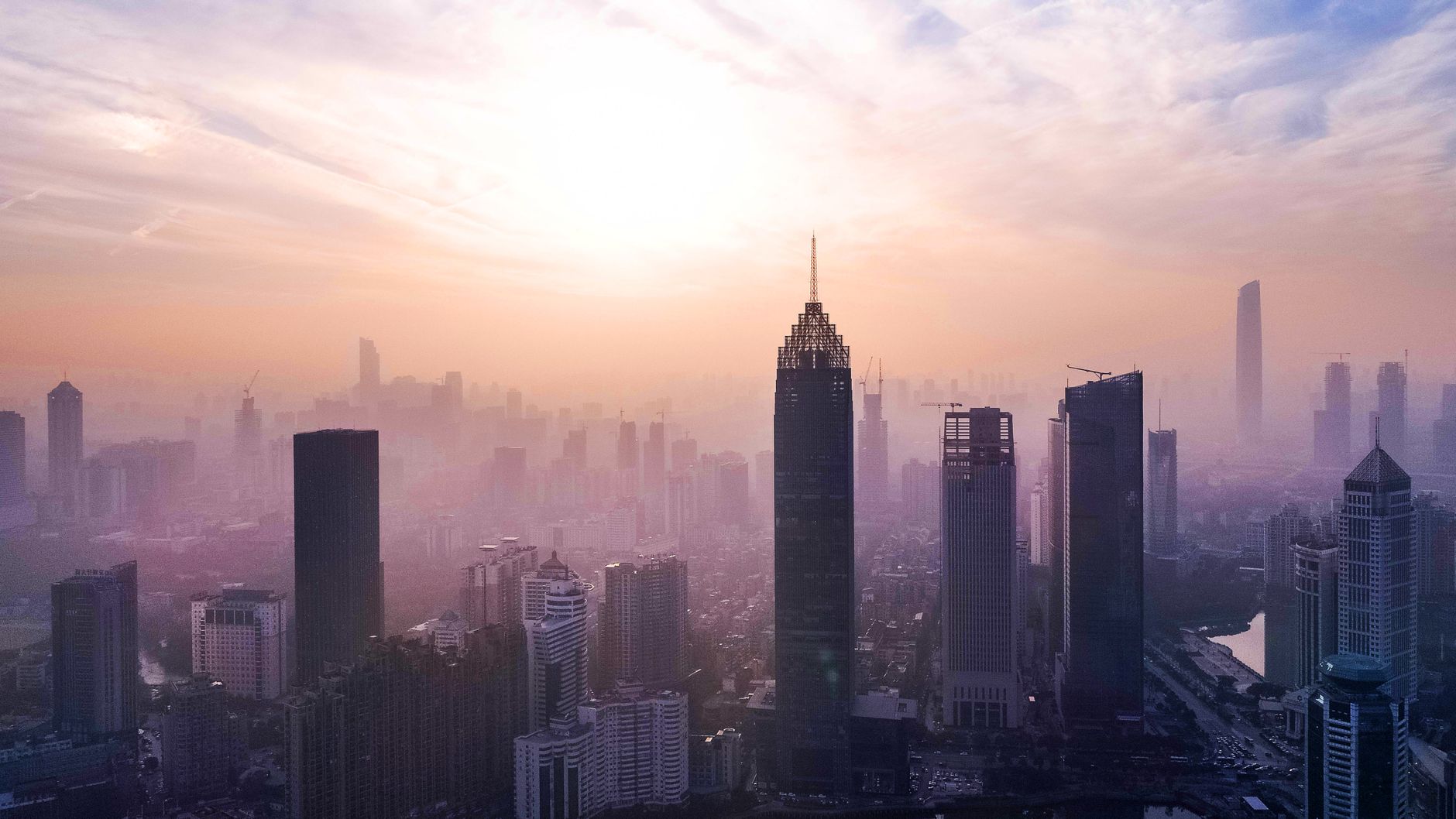
When Western executives map China’s industrial geography, their mental models tend to cluster around the coastal corridors — the Pearl River Delta, the Yangtze River Delta, and the Beijing-Tianjin tech axis. Central China, anchored by Wuhan and Hubei Province, rarely gets the same attention. That is a strategic blind spot. The region is home to one of China’s most diversified industrial bases, a nationally critical logistics network, and a concentration of state-backed R&D capacity driving advanced manufacturing far from the coast.
Understanding Wuhan and Central China is a prerequisite for anyone engaged in automotive sourcing, steel procurement, optoelectronics supply chains, or long-term market entry into China’s rapidly expanding domestic consumer economy.
Wuhan’s Industrial Identity: Heavy Industry with an Innovation Overlay
Wuhan is the capital of Hubei Province and the most populous city in Central China, with a registered population of approximately 13.7 million. It sits at the confluence of the Yangtze and Han rivers — a geographic position that has made it a trade hub for over a thousand years. Today that same geography supports one of China’s most strategically important inland ports, connecting Central China to Shanghai and beyond via the Yangtze River shipping corridor.
The city’s modern industrial identity was built around iron and steel. The Hanyang Iron Works, established in 1890, was among the first large-scale modern industrial enterprises in Chinese history. That heritage persists. Wuhan Iron and Steel Corporation (WISCO), now merged into China Baowu Steel Group, remains one of the world’s largest steel producers, with Wuhan facilities outputting over 20 million tonnes of crude steel per year.
But steel is only the foundation. Wuhan has since developed a high-value industrial overlay spanning automotive manufacturing, optoelectronics, biotechnology, and higher education. The city hosts over 80 universities, including Wuhan University and Huazhong University of Science and Technology — a talent pipeline that few tier-2 Chinese cities can match.
Automotive: The Detroit of Central China
Wuhan’s most globally relevant industrial cluster is automotive. The city hosts the headquarters and main production facilities of Dongfeng Motor Corporation, one of China’s four major state-owned automakers with annual revenues exceeding RMB 900 billion (approximately USD 124 billion). Dongfeng has established joint ventures with virtually every major Western automaker operating in China, including PSA (now Stellantis), Honda, Nissan, and Renault.
The Wuhan city government has developed dedicated automotive industrial zones in the Wuhan Economic and Technological Development Zone (WHDZ), known locally as “Auto City,” which houses over 500 automotive parts and components suppliers alongside OEM assembly plants. The zone produces approximately 1.6 million vehicles annually and employs over 300,000 workers directly in the automotive supply chain.
For foreign companies, the strategic implication is direct. If you supply components, materials, or manufacturing technology to Chinese automakers, Wuhan’s supply chain ecosystem is a natural entry point. The density of Tier 1 and Tier 2 suppliers in the WHDZ compresses logistics costs and reduces lead times in ways that matter at scale. This dynamic mirrors what we examined in Chongqing’s automotive and tech supply chains — two inland mega-cities that together form China’s central automotive production axis. Wuhan is also actively investing in the EV transition, in a story that connects directly to our analysis of CATL and China’s battery industry dominance.
Optics Valley: A World-Leading Cluster Most Importers Don’t Know About
Wuhan’s most underappreciated industrial strength is optoelectronics. The Wuhan East Lake High-Tech Development Zone, commonly called “Optics Valley” (光谷, Guanggu), is China’s largest optoelectronics and laser manufacturing cluster. The zone hosts over 14,000 enterprises and generates annual output exceeding RMB 500 billion.
Key players based in or manufacturing significantly within Optics Valley include:
- YANGTZE OPTICAL FIBRE AND CABLE (YOFC) — one of the world’s largest fiber optic cable manufacturers, with over 30% domestic market share in China and significant export volumes to telecom infrastructure projects across Asia, Africa, and Latin America.
- Wuhan Raycus Fiber Laser Technologies — China’s largest domestically-owned fiber laser manufacturer, supplying cutting systems used in global metalworking supply chains.
- HGTECH — a laser processing equipment company whose machines are used in semiconductor packaging, display panel manufacturing, and precision components fabrication.
For procurement professionals and equipment buyers, Optics Valley is a sourcing destination that competes directly with European and North American laser and photonics suppliers — often at 40 to 60 percent lower price points for comparable specifications. The US Trade Representative’s office has flagged laser and optoelectronic technology as a sector where Chinese export capacity is reshaping global competitive dynamics.
The Logistics Spine: Why Geography Is a Strategic Asset
Wuhan sits within a 1,000-kilometer radius of approximately 75 percent of China’s total population — a geographic fact that drives much of the city’s growing importance in China’s domestic consumption economy. The city sits at the intersection of five national railway lines and serves as a hub for Yangtze River inland shipping, connecting to Shanghai ports and western inland cities at a fraction of road transport costs.
China’s high-speed rail network has reinforced Wuhan’s central role. The city is reachable from Beijing in approximately 4.5 hours, from Shanghai in about 5 hours, and from Guangzhou in approximately 3.5 hours. This connectivity, examined in our broader piece on China’s high-speed rail revolution, means Wuhan functions as a genuine national distribution hub — not just a regional one. Wuhan-Xingang Port handles over 200 million tonnes of cargo annually, making it one of China’s largest inland river ports by volume.
The Broader Central China Corridor
Wuhan is the anchor, but the Central China industrial corridor extends beyond the city. Yichang, 300 kilometers west along the Yangtze, hosts one of China’s largest chemical clusters — proximity to Three Gorges Dam hydroelectric power makes it a hub for phosphate chemicals, fertilizers, and specialty chemicals. Xiangyang in northwestern Hubei has developed as a secondary automotive hub, hosting Geely and Dongfeng-Stellantis facilities. And Changsha in neighboring Hunan is the headquarters of Sany Heavy Industry and Zoomlion, whose cranes and concrete pumps compete globally with Caterpillar and Liebherr.
What Central China Means for Western Business Strategy
The practical takeaways divide by function:
For procurement and supply chain teams: Central China is not a backup to coastal manufacturing — it is a primary sourcing region for steel, automotive components, fiber optic infrastructure, laser equipment, and chemical inputs. Supplier audits should include Hubei-based vendors rather than defaulting to Guangdong and Zhejiang. The US Bureau of Industry and Security maintains updated guidance on export controls relevant to Optics Valley suppliers, which compliance teams should review before engaging.
For market entry and distribution: Wuhan’s central geography makes it the natural anchor for distribution networks serving China’s inland consumer base. A warehouse in Wuhan reaches Tier-3 and Tier-4 cities across Hubei, Hunan, Henan, and Sichuan more efficiently than a coastal model. Foreign consumer brands that have saturated first-tier cities should assess Wuhan as their inland distribution headquarters.
For automotive joint ventures: Any foreign company seeking a Chinese automotive partnership should have Dongfeng on its counterparty shortlist, alongside SAIC in Shanghai and Chery in Anhui. Dongfeng’s scale, government backing, and deep supplier ecosystem in Wuhan make it one of the most capable Chinese joint venture partners for manufacturing technology transfer.
For R&D and talent: Wuhan’s university density is a genuine competitive asset. Huazhong University of Science and Technology produces world-class engineers in optics, materials science, and mechanical engineering. Several multinationals have established R&D centers adjacent to Optics Valley specifically to tap this talent pool at competitive compensation levels.
Getting Started in Wuhan
Foreign companies entering Wuhan have two primary vehicles. The Wuhan Economic and Technological Development Zone offers streamlined registration, tax incentives, and industrial land for manufacturing operations — particularly relevant for automotive, machinery, and heavy industry companies. The East Lake High-Tech Development Zone (Optics Valley) is the preferred location for technology companies, R&D centers, and optoelectronics businesses, offering a separate set of incentives aligned with advanced manufacturing and innovation.
Legal entity setup in Wuhan follows the standard WFOE or joint venture framework applicable across China, but the city government has been proactive in facilitating foreign investment approvals — a reflection of Hubei province’s strategic interest in diversifying foreign economic partnerships.
Central China will not replace the Pearl River Delta or Yangtze River Delta in the near term. But for companies whose China strategies are built entirely around coastal sourcing and coastal consumption, Wuhan and its industrial corridor represent both a gap in their supply chain map and a significant opportunity in China’s next phase of domestic-led growth.