
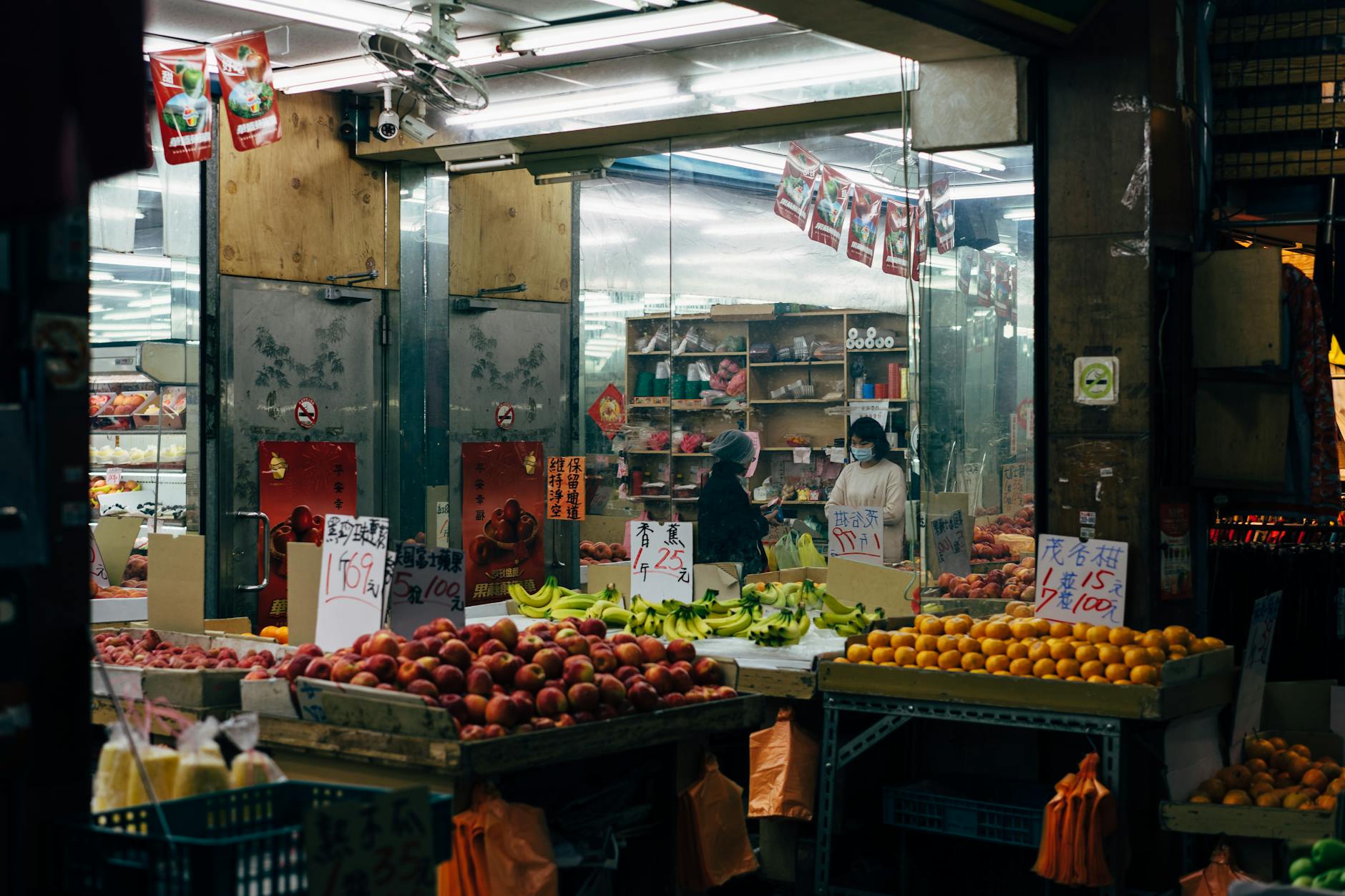
Pricing is one of the most consequential decisions a foreign brand makes when entering China. Get it wrong, and you either leave revenue on the table or price yourself out of a market where perception, value signaling, and competitive dynamics operate very differently from Western norms. There is no universal pricing formula for China, but there are clear principles and common mistakes that every brand should understand before setting its first price point.
Why Chinese Pricing Decisions Are Different
China is not a single market. It is a collection of consumer segments stratified by city tier, income level, age, channel, and category. A pricing strategy that works in Shanghai’s premium retail environment will fail in a Tier-3 city, and a price point optimized for cross-border e-commerce may undercut your own distribution partner selling through general trade channels. Pricing decisions in China require a segmented view from the start.
Beyond segmentation, Chinese consumer psychology around price differs from Western norms in ways that matter commercially. In many categories, a higher price is not merely acceptable, it is actively preferred. Chinese consumers have a well-documented tendency to use price as a quality signal, particularly for imported products, health products, luxury goods, and anything consumed by children. The food safety incidents of the past two decades have made Chinese buyers of premium categories deeply skeptical of suspiciously cheap foreign products. If you price too low to be competitive, you may inadvertently signal that something is wrong.
Understanding Your True Cost Structure in China
Before you can set a price, you need to understand what it costs to get your product to a Chinese consumer. This is more complex than most brands anticipate because the cost stack looks very different depending on the entry channel.
General Trade Import Costs
General trade brings goods into China as formal imports through customs. The cost stack includes import tariffs (which vary widely by category, typically 5% to 30% for consumer goods), value-added tax (currently 13% for most goods), consumption tax for certain categories like alcohol and cosmetics, customs clearance fees, warehousing, and distribution margins. A product with a factory cost of $10 may carry a landed cost in China of $18 to $25 before any distributor or retail markup. Working backward from an acceptable shelf price to determine whether the unit economics are viable is the essential first step.
Cross-Border E-Commerce Costs
Cross-border e-commerce (CBEC) operates under a preferential composite tax rate that is typically lower than general trade duties. For most consumer goods, this runs around 9.1% of the transaction value. However, CBEC comes with platform fees (Tmall Global charges commission rates of 2% to 5% depending on category, plus annual service fees), fulfillment costs if using bonded warehouses, and return costs that can run 15% to 25% in categories like apparel. The lower import tax advantage narrows considerably once platform fees are included.
Platform commission structures change periodically. Always model your costs using current platform terms, not figures from case studies published two or three years ago. Our guide to China’s logistics and last-mile delivery system covers fulfillment costs in detail, which directly affect your pricing headroom.
Pricing Strategies That Work in China
Premium Positioning: Price as a Brand Signal
For foreign brands entering China with a genuine quality differentiation story, premium pricing is often the most sustainable strategy. Chinese consumers have absorbed enough cross-border marketing to recognize global price benchmarks for major brands. Pricing a premium product below its home market equivalent can damage credibility. Many successful Western brands entering China deliberately price at a 20% to 40% premium over their home market, using the price differential to reinforce their imported quality narrative.
This works best when your brand has a story to tell, when the category has existing premium consumption habits (wine, skincare, infant nutrition, supplements), and when your distribution is tight enough to prevent discount channels from undermining the price floor. Grey market imports are a persistent problem for premium brands in China. If your product is widely available overseas at a lower price, daigou sellers and grey market arbitrageurs will undercut your official channel unless you actively manage MAP (minimum advertised price) compliance.
Tiered Pricing Across City Segments
A single national price rarely maximizes revenue across China’s consumer tiers. Tier-1 and Tier-2 cities (Beijing, Shanghai, Guangzhou, Chengdu) have consumers who can and will pay international prices for premium products. Tier-3 and Tier-4 cities present a much more price-sensitive market where volume matters more than margin per unit. Brands that have successfully scaled in China often do so with a tiered product architecture: a flagship premium SKU positioned for first-tier consumers, and localized or simplified variants at accessible price points for wider distribution.
Platform strategy maps directly to this. Tmall and JD.com are your premium and mid-market channels. Pinduoduo attracts buyers primarily from Tier-3 cities and below, where group-buying and aggressive promotional pricing dominate. Selling on Pinduoduo with the same price positioning you use on Tmall will create channel conflict and cannibalize your brand equity in higher-margin channels.
Promotional Pricing and Festival Mechanics
China’s e-commerce calendar is built around promotional festivals: 618 (June 18), Double 11 (November 11), Double 12, and Chinese New Year are the major periods when consumers expect discounts of 30% to 50%. Brands must budget promotional subsidies into their annual margin planning. The mistake many foreign brands make is treating these festivals as optional, only to find that their sales rank collapses during festival periods as consumers wait for discounts they know are coming.
Promotional pricing must be managed carefully. Setting a higher everyday price to create room for visible festival discounts is a standard tactic, but China’s consumer protection regulators actively scrutinize price inflation before promotional periods. Transparency in pricing and avoiding manipulative inflation-then-discount practices is both a compliance requirement and a consumer trust issue.
Common Pricing Mistakes Western Brands Make
Underpricing to gain market share. In volume-driven categories this can work, but in premium categories, it typically destroys brand equity and attracts a buyer segment that will not upgrade to higher-margin products later. Once you establish a low price anchor, raising prices in China is extremely difficult without a significant brand investment or product reformulation.
Ignoring distribution margin requirements. Distributors in China typically require 30% to 50% margin. If your pricing does not accommodate distributor margins and still land at a competitive retail price, you will struggle to find or retain committed distribution partners. Build distribution margin requirements into your pricing model before you negotiate with any partner.
Failing to align prices across channels. If your CBEC price on Tmall Global is lower than your general trade price in domestic retail, you will create channel conflict that alienates your distribution network. Managing price parity across channels is a significant operational discipline for brands with complex China distribution.
Static pricing in a dynamic market. China’s tariff environment, platform fee structures, exchange rates, and competitive landscape shift regularly. Brands that set prices at launch and review them annually are consistently caught out by cost increases that erode margins invisibly. Build quarterly pricing reviews into your China operations cadence. The U.S. Commercial Service’s China selling guide provides useful framework guidance on cost modeling for US exporters pricing into the Chinese market.
Localizing Your Price Anchors
Chinese consumers are intensely comparison-shopping. They check competitor pricing on multiple platforms simultaneously before purchasing. Understanding what your category’s price anchors are, the price points that define entry-level, mid-range, and premium in the minds of Chinese consumers, is essential before setting your own price.
These anchors are set by the market leaders in each subcategory and shift as new brands enter and promotional periods compress perceived value. Conducting a category price audit on Tmall and JD.com before launch, covering the top 20 products by sales volume in your category, gives you the data you need to position deliberately rather than accidentally.
For a broader view of how localization affects brand performance in China, our guide to localizing your brand for Chinese consumers covers the full spectrum of adaptations that affect price sensitivity and perceived value. According to analysis from Harvard Business Review’s global business coverage, foreign brands that invest in systematic price localization outperform those that simply convert home market prices at prevailing exchange rates.
The Bottom Line
Pricing for China is not a set-and-forget exercise. It is an ongoing process of managing cost structures, channel relationships, consumer perception, and competitive positioning in a market that changes faster than almost any other. The brands that get pricing right in China are the ones that invest in understanding the market before they commit to a price, model their full cost stack honestly, and build the operational discipline to manage pricing actively rather than reactively.