
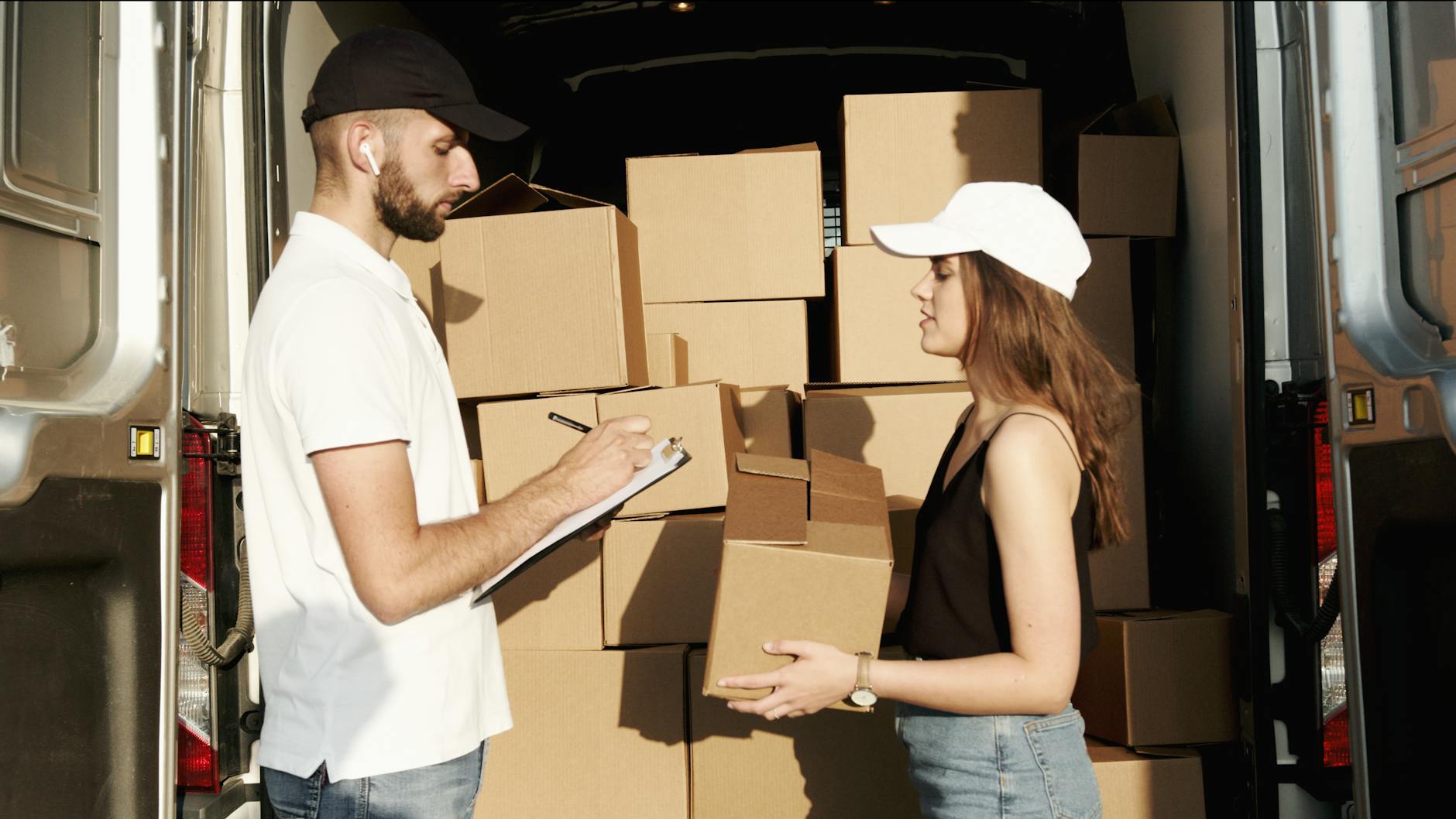
China has built the most advanced logistics and last-mile delivery infrastructure in the world. From same-day delivery in tier-1 cities to next-day service across hundreds of rural counties, the country’s logistics network makes Western systems look sluggish by comparison. For foreign sellers entering the Chinese market, understanding how this system works is not optional. It directly affects your pricing, fulfillment strategy, customer satisfaction, and ultimately, whether your business succeeds.
Why China’s Logistics Landscape Is Unlike Anywhere Else
China processes over 100 billion parcels per year, a volume larger than the rest of the world combined. This scale has driven intense competition and innovation among logistics providers. Companies like SF Express, JD Logistics, Cainiao (Alibaba’s logistics arm), ZTO Express, and YTO Express operate massive, technology-driven networks that use AI-powered sorting facilities, autonomous delivery vehicles, and drone delivery in select regions.
Delivery speed expectations in China are extreme. Consumers routinely expect next-day or same-day delivery for orders placed on major platforms. JD.com famously promises same-day delivery in most major cities. This raises the bar for every seller operating in the market, including foreign brands.
The Role of Bonded Warehouses and Cross-Border Fulfillment
For foreign brands that have not established a domestic legal entity in China, bonded warehouse fulfillment is the most common entry point. Under this model, goods are shipped in bulk to a customs bonded zone (typically located near major ports like Shanghai, Tianjin, or Shenzhen) and held there. Individual orders trigger clearance and delivery, which generally allows faster shipping than direct cross-border orders sent from overseas.
Bonded warehouses are widely used on platforms like Tmall Global, JD Worldwide, and Xiaohongshu’s cross-border channel. The key advantage is speed and simplicity for the consumer: orders arrive in days rather than weeks, duties are typically collected at the point of sale, and returns can be managed domestically. The tradeoff is upfront inventory commitment and the cost of warehousing.
Alternatively, direct cross-border shipping (known as “direct mail” or 直邮) ships each order individually from an overseas location. It is slower and more expensive per unit, but requires no pre-positioned inventory. This is better suited to low-volume or high-value products where demand is unpredictable.
Key Logistics Providers Western Sellers Should Know
Cainiao Network
Cainiao is Alibaba’s logistics platform and serves as the backbone of Taobao, Tmall, and Tmall Global fulfillment. If you are selling on any Alibaba-owned platform, Cainiao is your default logistics partner. It operates a smart logistics network that coordinates between dozens of third-party carriers, offering tracking, warehousing, and customs clearance services internationally. Sellers using Tmall Global should integrate directly with Cainiao’s cross-border warehouse system for the best delivery speed.
JD Logistics
JD Logistics is JD.com’s in-house fulfillment arm and is now available as a third-party service for sellers outside the JD ecosystem. It has the strongest reputation for cold chain logistics, large item delivery, and on-time performance in tier-1 and tier-2 cities. Western brands selling high-value electronics, appliances, or premium food products should evaluate JD Logistics as a fulfillment partner even if they are not primarily selling on JD.com.
SF Express
SF Express is China’s premium courier and is often used for time-sensitive, high-value, or B2B shipments. It offers same-day delivery in many major cities and has an extensive international network. SF is commonly used by brands that need reliable white-glove delivery for luxury or fragile goods. It is more expensive than economy couriers but has far lower loss and damage rates.
Last-Mile Challenges in Lower-Tier Cities and Rural Areas
While China’s major cities enjoy world-class delivery infrastructure, tier-3 and tier-4 cities and rural areas present real challenges. Address standardization is less consistent, courier penetration is lower, and delivery times are longer. Platforms like Pinduoduo have aggressively targeted lower-tier consumers and have built their own logistics solutions to serve this segment. If your target market includes value-conscious consumers in smaller cities, you need a logistics strategy that accounts for these realities.
According to Reuters, rural e-commerce has become a significant growth driver in China, with government-backed investment flowing into rural logistics networks. This is creating new opportunities for FMCG and agricultural product brands targeting mass-market consumers outside the major cities.
Returns and Reverse Logistics
China has one of the highest e-commerce return rates in the world, driven partly by consumer protection laws that mandate no-questions-asked returns within 7 days for most product categories. For foreign sellers using bonded warehouse fulfillment, managing returns domestically is possible and recommended. Returned goods entering a bonded zone can often be re-listed or donated without triggering full import duties, depending on the category.
Returns sent back overseas are expensive and complicated. Most experienced operators either liquidate returned goods in-market, donate them, or arrange for local re-inspection and re-sale. Build your returns cost into your margin from the start, not as an afterthought.
Customs and Clearance: What You Must Know
Cross-border e-commerce in China operates under the CBEC (Cross-Border E-Commerce) regulatory framework, which provides preferential duty rates compared to general trade. Individual consumers can import goods up to an annual quota of 26,000 RMB at reduced tax rates under the CBEC regime. Most consumer goods attract a composite tax rate of 9.1% under this framework, significantly below standard import tariffs. The Ministry of Commerce (MOFCOM) publishes updated lists of approved cross-border e-commerce product categories and any changes to the duty structure.
Products outside the approved CBEC list, or those above the annual individual quota, must enter through general trade channels, which involve full customs declarations, product registrations (for categories like food, cosmetics, and medical devices), and import licenses. Understanding which channel applies to your product category is critical before you ship a single unit.
Building Your Logistics Strategy: Practical Steps
- Start with bonded warehouse fulfillment unless you have a compelling reason to use direct mail. Speed and consumer experience will be significantly better.
- Match your logistics provider to your platform. Selling on Tmall Global means working with Cainiao. Selling on JD Worldwide means working with JD Logistics. Do not fight the platform’s preferred fulfillment structure.
- Plan for 15-25% return rates in fashion and lifestyle categories. Factor this into your unit economics before launching.
- Invest in packaging for China. Couriers in China handle parcels at high velocity. Packaging that survives European fulfillment often fails in China’s high-speed sorting systems. Conduct drop tests and adjust accordingly.
- Use a licensed customs broker for initial shipments. China’s customs rules are detailed and change frequently. A qualified broker can prevent costly clearance delays and duty miscalculations.
Understanding China’s logistics ecosystem is one of the most underrated elements of a successful China market entry. Most Western sellers focus heavily on marketing and platform selection but underestimate how much fulfillment quality shapes the customer experience. For further reading on how to structure your China entry, explore our guide to building a resilient supply chain and our overview of China’s startup and business ecosystem.