
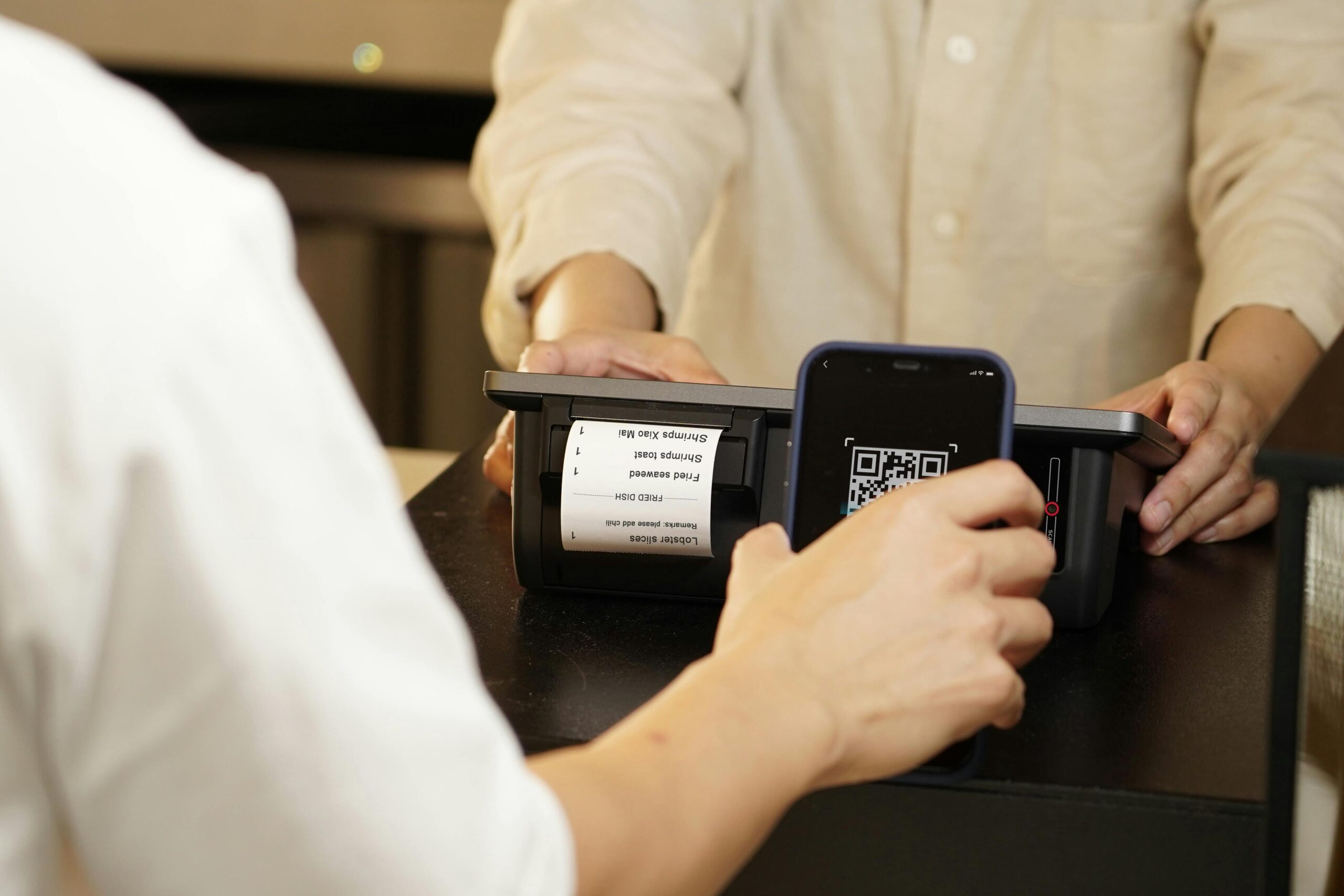
Any foreign business that wants to sell to Chinese consumers, pay Chinese suppliers, or operate within China’s digital economy needs to understand two platforms: Alipay and WeChat Pay. Together, they process the overwhelming majority of consumer payments in China and have fundamentally reshaped how commerce operates in the country. For foreign companies, integrating with these systems is not optional ; it is table stakes for doing business in the Chinese market.
The Scale of China’s Mobile Payment Ecosystem
Cash is nearly irrelevant in urban China. QR code payments via Alipay (owned by Ant Group, Alibaba’s fintech affiliate) and WeChat Pay (owned by Tencent) are the default for everything from street food to luxury purchases. Consumers scan vendor QR codes or have their own codes scanned at point of sale. The transaction is complete in seconds. For foreign businesses, the first surprise is often not the technology ; it is the realization that Chinese consumers may genuinely not have cash on them and may be unable or unwilling to pay by credit card.
This is not a niche behavior. It is the mainstream. China’s mobile payment transaction volume exceeds the combined total of all Western payment systems, and adoption extends across all demographics and regions, from tier-1 cities to rural markets.
Alipay vs. WeChat Pay: Key Differences
Both platforms offer functionally similar payment experiences for consumers, but they sit within different ecosystems with different commercial implications for businesses.
Alipay originated as an escrow-based payment system for Taobao (Alibaba’s consumer marketplace) and evolved into a comprehensive financial services platform. It is particularly strong in e-commerce contexts and integrates deeply with Alibaba’s retail and logistics ecosystem. For cross-border merchants selling into China via Tmall Global or other Alibaba platforms, Alipay integration is central.
WeChat Pay is embedded within the WeChat super-app, which is also China’s primary social communication platform, business networking tool, and content channel. For businesses operating through WeChat Official Accounts, Mini Programs, or social commerce channels, WeChat Pay is the natural payment layer. The integration of payment with social and content creates commercial opportunities that have no equivalent in Western markets.
How Foreign Businesses Can Accept Chinese Payments
Option 1: Overseas Merchant Acceptance
Both Alipay and WeChat Pay have expanded to support overseas merchant acceptance ; meaning physical businesses outside China (retail stores, hotels, restaurants, tourist destinations) can accept payments from Chinese tourists and visitors. The setup process involves registering as an overseas merchant through an authorized payment service provider (PSP). This option does not require a China business entity and is suitable for businesses with Chinese customer traffic.
Option 2: In-China Online Integration
For businesses operating e-commerce or digital services within China, direct API integration with Alipay or WeChat Pay requires either a Chinese business entity (WFOE or joint venture) or a partnership with a licensed payment intermediary. This pathway unlocks the full functionality of both platforms, including Mini Program payments, in-app purchases, and subscription billing. For context on the business entity structures that enable this, how US companies enter the China market covers the regulatory framework in detail.
Option 3: Cross-Border Payment Solutions
Several licensed cross-border payment providers ; including Alipay’s own international service (Alipay+), PingPong, and LianLian Pay ; offer streamlined integration for foreign merchants selling to Chinese consumers without a China-based entity. These services handle currency conversion, regulatory compliance, and funds settlement in foreign currency. They are particularly well suited for cross-border e-commerce sellers on Tmall Global, JD Worldwide, or independent websites targeting Chinese consumers. For official cross-border payment policy guidance, see U.S. Commercial Service China e-commerce resources.
Compliance and Regulatory Considerations
China’s payment sector is regulated by the People’s Bank of China (PBOC) and subject to foreign exchange controls. Funds collected within China from Chinese consumers must generally be settled through licensed channels, and cross-border remittance of those funds is subject to PBOC approval processes. The regulatory environment has been tightening in recent years, with increased scrutiny on cross-border payment flows.
For foreign businesses, the practical implication is to use licensed payment service providers and ensure your payment integration has been reviewed for regulatory compliance before going live. Do not assume that a technically functional payment integration is also legally compliant ; the two are not the same in China’s regulated financial environment. The US-China Business Council regularly publishes updates on regulatory changes affecting payments and digital commerce. For the broader digital commerce future between the US and China, see the future of US-China digital commerce.
By the Numbers
- China’s mobile payment market processed over $60 trillion USD equivalent in transactions in 2023 ; the largest of any country
- Alipay and WeChat Pay together account for approximately 90 percent of China’s mobile payment market
- Alipay has over 1 billion registered users; WeChat Pay has over 900 million active monthly users
- Over 80 percent of Chinese consumers use mobile payments as their primary payment method for both online and offline transactions
- Chinese tourist spending at overseas merchants accepting Alipay or WeChat Pay is on average 30 percent higher than at merchants accepting cash or card only
Key Takeaways
- Alipay and WeChat Pay are the default payment method for Chinese consumers ; not accepting them is a significant barrier to capturing Chinese spending
- Overseas merchant acceptance is available to non-China businesses via authorized payment service providers ; no China entity required
- For in-China e-commerce, cross-border payment intermediaries offer a regulated, entity-light path to accepting RMB payments
- Choose between Alipay and WeChat Pay based on your primary channel: Alibaba ecosystem favors Alipay, WeChat-based commerce favors WeChat Pay
- Ensure payment integration is legally compliant ; technical functionality and regulatory compliance are separate requirements
- Monitor PBOC regulatory updates; China’s payment regulations are active and evolving