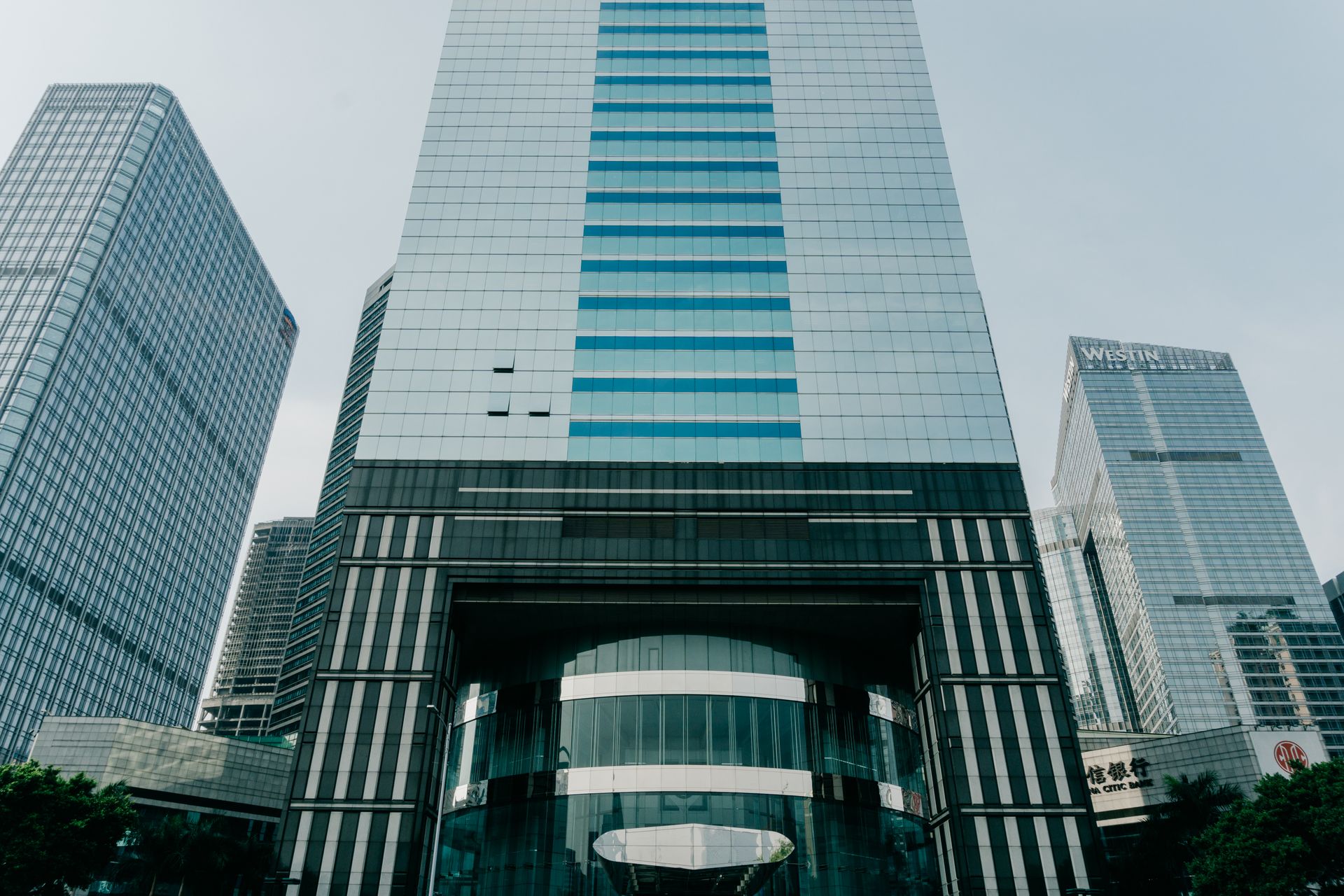
Every April and October, Guangzhou becomes the epicenter of global trade. The Pazhou Convention and Exhibition Center — the world’s largest, at 1.1 million square meters of exhibition space — fills with buyers from more than 210 countries. This is the China Import and Export Fair, universally known as the Canton Fair.
Since its founding in 1957, the Fair has generated more than $25 billion USD in trade volume per edition. For Western buyers, understanding how it works — and how to maximize it — is foundational sourcing literacy.
A Brief History: From Cold War Commerce to Global Marketplace
The Canton Fair was established in 1957, eight years after the founding of the People’s Republic of China, at a time when most Western nations maintained trade embargoes. The Fair was created by the Chinese government as a structured, neutral venue where China could export to the world despite political isolation. It drew buyers from the Soviet bloc, Asia, and, quietly, Western Europe.
When Deng Xiaoping launched economic reforms in 1978, the Fair accelerated in scale. By the 1990s it had become the world’s dominant sourcing event for manufactured goods. Today, it is organized by China Foreign Trade Centre (CFTC), a state-affiliated institution under the Ministry of Commerce. It runs twice yearly in three sequential five-day phases. Phase 1 covers electronics, machinery, and industrial products. Phase 2 focuses on lighting, household goods, furniture, and building materials. Phase 3 addresses consumer goods, textiles, footwear, and food. Total exhibition area in 2024 hosted more than 28,000 exhibiting companies.
The Three Phases: What Buyers Need at Each Stage
Phase 1 draws from Shenzhen, Dongguan, and the Pearl River Delta electronics cluster. PCB manufacturers, motor and generator suppliers, industrial automation components, and automotive parts fill the Pazhou halls. For buyers sourcing capital equipment or industrial inputs, this is the only phase that matters.
Phase 2 attracts interior design firms, retail chains, and construction procurement teams. LED lighting manufacturers from Zhongshan (which produces roughly 70% of China’s LED output), ceramic tile producers from Foshan, and furniture makers from Dongguan all concentrate here. This phase is particularly relevant for hospitality buyers, retail importers, and renovation contractors.
Phase 3 is most internationally heterogeneous. Apparel retailers, grocery chains, and private-label food importers converge here. Food exhibitors range from frozen seafood processors to condiment brands. Buyers from ASEAN, Africa, and Latin America are proportionally more prevalent in Phase 3. The broader manufacturing ecosystem feeding all three phases is covered in depth in our guide to Guangzhou and the Pearl River Delta.
Registration, Access, and Logistics
Foreign buyers register through the Canton Fair’s official buyer portal. The badge is free for verified overseas companies — registration requires a business email, company details, and a passport-matching name. The Pazhou Center is served by Guangzhou Metro Lines 8 and APM. Hotel costs during Fair weeks typically run three to four times standard rates; experienced buyers book 12 weeks in advance. Shuttle services run between major hotels and the venue throughout the day.
Many Phase 1 exhibitors employ English-speaking sales staff, but for negotiating pricing tiers and MOQs, Mandarin-speaking support significantly improves outcome quality. For buyers who can’t attend physically, the CFTC’s permanent Online Canton Fair platform hosts over 50,000 companies year-round, with live video sampling and AI translation — though professionals consistently find that quality assessment and relationship-building require physical presence.
How Professionals Source at the Canton Fair
Buyers who extract real value follow a defined process rather than walking halls collecting business cards.
Pre-show research is non-negotiable. CFTC publishes a full exhibitor database before each Fair opens. Experienced buyers filter by target product category and build a visit priority list. Walking without a target list wastes three to five potential meetings per day.
Negotiate on the floor, not by email. Face-to-face context changes a supplier’s willingness to discuss MOQs and trial order pricing. SME buyers who cannot meet standard minimums often secure pilot order arrangements at the Fair that would be rejected in a cold email inquiry.
Verify manufacturer vs. trading company status. Many exhibitors are trading companies presenting themselves as factories. This distinction matters: manufacturers control production quality and timeline directly. Verification involves requesting a business license (营业执照), factory inspection certificates, and trade references before any purchase order. Our guide to conducting due diligence on a Chinese supplier covers the full process.
Document every sample. Photograph the floor sample, note the model number, and confirm specifications in writing. Manufacturers may ship a different product after the Fair. Treat the sample as the quality baseline written into the purchase agreement.
Canton Fair vs. Yiwu: Understanding the Distinction
Western buyers frequently compare the Canton Fair to the Yiwu International Trade Market. The distinction is operationally significant. Yiwu is a permanent, year-round wholesale market for small commodities — ideal for retail importers purchasing high SKU volumes at low unit prices. The Canton Fair is a biannual trade show where manufacturers present new products, accept orders, and conduct business development. Use Yiwu for breadth; use Canton Fair for direct manufacturer relationships, industrial or electronic goods, and OEM/ODM negotiations.
Tariffs, Compliance, and the 2026 Trade Environment
American buyers at the 2026 Fair face a more complex tariff environment than at any point in the Fair’s modern era. Section 301 tariffs on Chinese goods range from 7.5% to over 100% depending on HTS classification. The Uyghur Forced Labor Prevention Act (UFLPA) creates additional compliance obligations for goods touching Xinjiang-origin supply chains. Buyers sourcing Vietnam- or Mexico-routed alternatives must verify country-of-origin documentation carefully.
The Office of the United States Trade Representative (USTR) maintains current Section 301 guidance and product-specific exclusion lists. The US International Trade Administration publishes practical trade tools for US companies operating in China. On the Chinese side, the Ministry of Commerce of China (MOFCOM) provides official export policy guidance for manufacturers navigating bilateral trade conditions.
Logistics planning should account for the Pearl River Delta’s world-class port infrastructure. Guangzhou Nansha Port, Shenzhen Yantian, and Hong Kong’s Kwai Tsing Terminal collectively handle hundreds of millions of metric tons per year. Most freight forwarders offer weekly LCL consolidation from Guangzhou warehouses to US and European ports. For the full picture of China’s shipping backbone, see our analysis of China’s ports and logistics infrastructure. Remember that container freight rates, port congestion, and ocean carrier selection can add 20 to 40% to the FOB price for some categories.
The Bottom Line
The Canton Fair’s endurance across nearly seven decades reflects a durable commercial reality: the density, diversity, and competitive pricing of Chinese manufacturing remain unmatched as a sourcing infrastructure. For buyers importing manufactured goods at meaningful scale, the Fair is the single most cost-effective venue to build and validate a supplier base.
The professionals who extract maximum value treat it as a year-round process: pre-show database research, targeted on-site meetings, rigorous sample documentation, post-Fair due diligence, and disciplined freight planning. Preparation is the competitive advantage.