
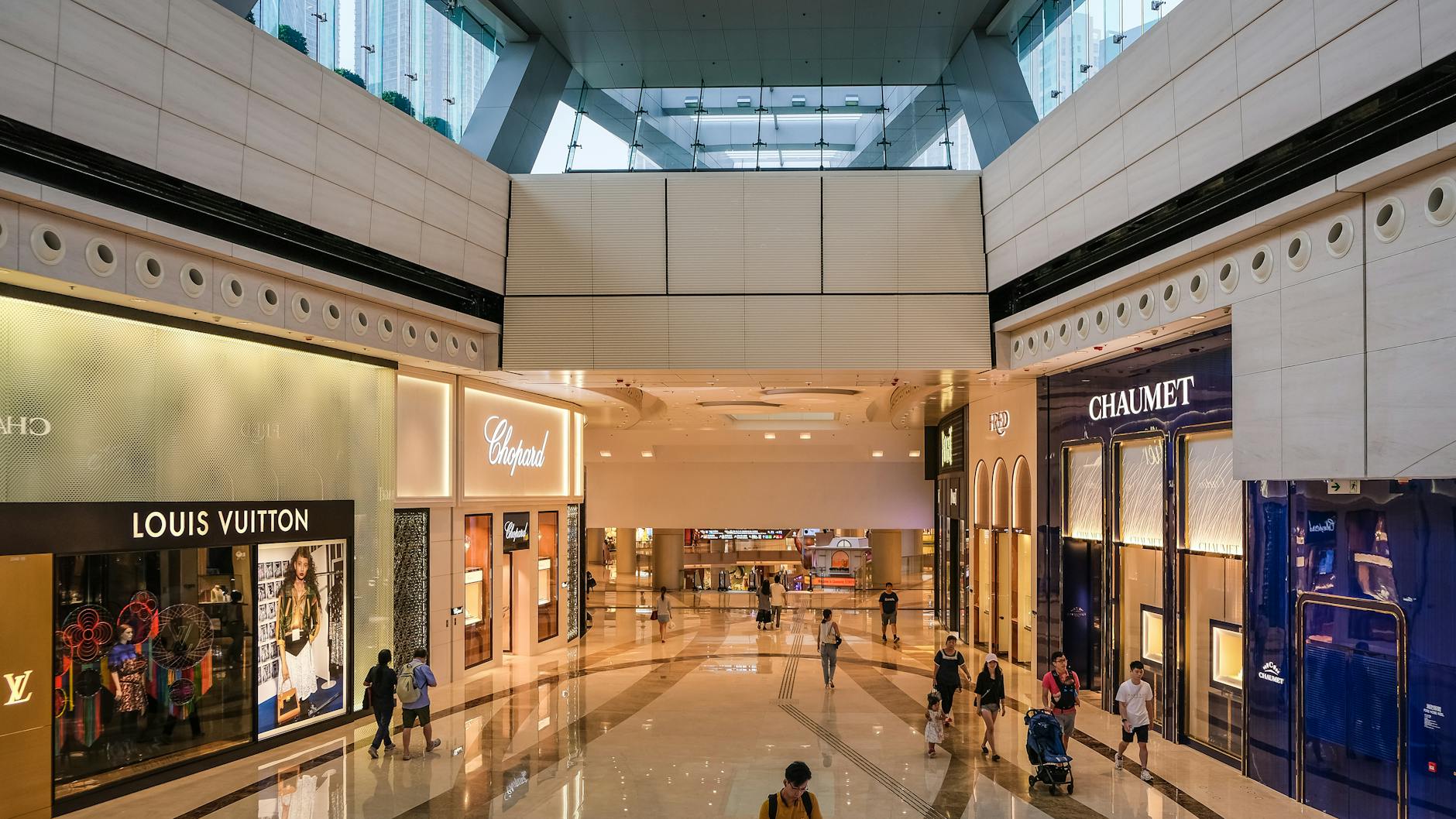
China is the world’s largest market for luxury goods — and it’s not slowing down. In 2024, Chinese consumers accounted for an estimated 38% of global luxury spending, a share that analysts at Bain & Company project will grow to nearly 40% by 2030. For Western luxury brands, getting China right is no longer optional. It’s a strategic imperative.
Understanding the Chinese Luxury Consumer
Chinese luxury buyers skew younger than their Western counterparts. The average age of a luxury consumer in China is around 28 — nearly a decade younger than in Europe or North America. This demographic shops differently: they research heavily on social platforms, trust KOL (Key Opinion Leader) endorsements, and expect seamless digital-to-physical experiences. A campaign that performs well in Paris or New York can fall completely flat in Shanghai if it ignores these realities.
Regional variation also matters. Tier-1 cities like Beijing, Shanghai, Guangzhou, and Shenzhen are sophisticated and brand-savvy. Tier-2 and Tier-3 cities — think Chengdu, Xi’an, Hangzhou — are where the fastest growth is happening. Brands that plant their flag only in major metros are leaving significant revenue on the table.
The Digital-First Reality
Luxury retail in China lives online as much as it does in flagship stores. WeChat remains the dominant relationship platform — brands use official accounts for storytelling, mini-programs for direct sales, and private traffic groups to maintain high-value client relationships. Douyin (TikTok’s Chinese counterpart) has become a powerful discovery engine even for heritage houses that once avoided short-form video.
Tmall Luxury Pavilion, Alibaba’s curated luxury destination, has become the preferred e-commerce channel for brands including Burberry, Valentino, and Cartier. It offers brand-controlled storefronts, anti-counterfeiting tools, and rich consumer data. For brands hesitant about marketplace optics, Tmall Luxury Pavilion threads the needle between accessibility and exclusivity.
Xiaohongshu (RedNote/Little Red Book) functions as a lifestyle discovery platform where aspirational content drives purchase intent. An authentic post from a well-followed lifestyle account can move product faster than a traditional advertising spend. Savvy brands seed content here months before formal launches.
Navigating the Daigou Shift
For years, parallel importing through daigou agents — personal shoppers who purchase abroad and resell in China — was a structural reality for luxury brands. Consumers used daigou to avoid import duties and access products unavailable domestically. As China progressively reduced import tariffs on luxury goods and tightened cross-border customs enforcement, daigou volumes have declined — but not disappeared.
Brands can reduce daigou leakage by closing price gaps between China and offshore markets, improving domestic product availability, and offering China-exclusive SKUs or services that daigou channels cannot replicate. A VIP alteration service or a private client event is something no parallel importer can resell.
Cultural Localization Without Losing Heritage
The biggest trap for Western luxury brands in China is over-localization. Chinese consumers buy European heritage brands precisely because of their Europeanness. They want authenticity, craftsmanship, and status — not a version of the brand that has been repackaged for local tastes in a clumsy way.
Successful localization is selective and respectful. It means celebrating the Lunar New Year with a limited-edition capsule that honors the occasion without reducing it to a red-packaging exercise. It means casting Chinese brand ambassadors who genuinely embody the brand’s values, not simply whoever has the highest follower count. It means training in-store associates to understand the cultural protocols around gifting, mianzi (face), and relationship-building. For a detailed guide on navigating gift-giving norms in professional contexts, see our piece on conducting due diligence on Chinese business partners, which covers relationship protocols in depth.
The Retail Footprint Question
Physical stores still matter enormously for luxury in China. The in-store experience is a brand statement, and Chinese luxury shoppers expect flagship quality even in second-tier cities. Opening a flagship in a premium mall in Chengdu or Suzhou signals commitment; operating only online signals caution that aspirational consumers may read as disinterest.
That said, store strategy must integrate with digital. Many Chinese luxury purchases begin on a phone screen and complete in a boutique — or the reverse. Brands that treat online and offline as separate channels create friction. Those that unify them — through WeChat-linked clienteling, QR-enabled product authentication, and digital loyalty programs that work seamlessly in-store — build the stickiness that drives repeat high-value purchases.
For brands considering their broader China entry structure, our overview of joint ventures versus wholly foreign-owned enterprises covers the operational tradeoffs relevant to retail expansion.
Regulatory and Advertising Considerations
China’s advertising regulations impose specific restrictions on luxury marketing. Superlative claims (“world’s best,” “most prestigious”) require substantiation. Celebrity endorsements must comply with the Advertising Law and cannot use state symbols or suggest government endorsement. Imported goods must display accurate Chinese-language labeling; customs documentation must match what’s communicated in marketing.
The General Administration of Customs and the Ministry of Commerce both maintain oversight over imported luxury goods. Staying current with MOFCOM guidelines — available at mofcom.gov.cn — is essential for compliance teams. For broader market guidance, the U.S. Commercial Service’s China market resources at trade.gov provide regularly updated sector reports that include consumer goods and retail.
The Bottom Line
China’s luxury market rewards patience, local intelligence, and genuine cultural respect. Brands that enter with a copy-paste strategy from their home markets typically underperform. Those that invest in understanding the consumer — their digital habits, their relationship with status, their generational attitudes toward heritage and authenticity — build durable business that survives economic cycles and geopolitical noise.
The Chinese luxury consumer is sophisticated, demanding, and deeply loyal to brands that earn their trust. Winning that trust requires more than a beautiful product. It requires showing up consistently, intelligently, and with genuine respect for the market you’re entering.